This morning, as my coffee brewed, I sat down in my study, among a stack of books that I want to read or read again. I picked up my Bible and turned to today’s reading. Since this is Holy Week and today is Holy Tuesday, I read from Luke 20, 21 and John 12:20–36. But you know what, though my eyes passed over the words on the page, I really didn’t read a thing. The words themselves never made it from my eyes to my heart; they never had a chance.
Do you know why?
Too much noise. I don’t mean outside, eternal noise I mean internal noise. Don’t misunderstand. My house and neighborhood are quiet when I get up in the morning. Generally, even the birds haven’t started looking for that early worm when my feet first hit the floor. But as quiet as things are on the outside, inside things are running a mile a minute. And over the last few weeks, with all the additional news and information on the virus that floods into my life, well let’s just say things are running more like a mile a second.
Then, this morning, I sat reading the Bible, well, like I said, I sat running my eyes over the words on the page, while other things ran through my head, too. I thought about a few of my friends who have been laid off as a result of this pandemic. I thought about my friends who have texted, called, and emailed to ask me and folks from Bethel and Windsor to pray for them or their friend. I thought about my friends who are grieving because someone they love is among the number of fatalities. I thought about – well – I thought about a lot of things all at once and the noise kept getting louder.
And then I grabbed a book from among the stacks. It is a book a friend of mine gave me back in 1999 (I know that because he wrote me a little note and put the date on it). The book is called A Guide to Prayer for Ministers and Other Servants by Rueben P. Job and Norman Shawchuck. I’ve used this book as part of my devotions off and on since ’99. I recommend it to everyone. Job and Shawchuck didn’t write the book. It is a collection of texts and prayers and writings from a number of sources and people. But enough about the book; let me tell you what I read from this week’s devotional.
Job and Shawchuck use a quote from Urban T. Holmes III, who was an Episcopal priest and served as Dean of the School of Theology at the University of the South, Sewanee, Tennessee. Holmes wrote, “Many persons, ordained or not, live in a fairly constant state of noise, with their unresolved past and the uncertain present breaking in on them. They lack a still center and it is only for such a quiet point that we can listen attentively.” If Holmes thought it was noisy back in his day, well, he’d be deafened today. Holmes relates a story about Thomas Merton, the well-known writer and Cistercian monk. Though living in a monastery, Merton found his surroundings too loud and eventually lived as a hermit on the monastery’s property in order to be quiet enough to listen to God. Holmes wrote, “He needed the quiet that he might listen to God. Too frequently we do not understand the hermit’s discipline, a discipline that needs to be ours in spirit, if not in fact.”
That little bit from Holmes got my attention. For it was when I read that, I realized I hadn’t actually read anything from the Gospel texts that I ran my eyes over this morning. I realized that Holmes was right; I lack a still center and I, like Merton and Holmes – and you, too – need that still center in order to listen – really listen to what God is saying through His word and His Spirit.
I think God knows that about us. I think God is aware that we are prone to be distracted by both external and internal noise. I think God also knows we need that still center and so He gave us one. In Psalm 46:10 God speaks and says to “Be still, and know that I am God. I will be exalted among the nations, I will be exalted in the earth!” Therein is the still center that we all need in order to shut out the noise in order to listen – really listen.
I like the fact that in Psalm 46 God doesn’t tell us to clear our minds – as if I could. Rather, He tells us to become still in Him – because we know God and though the world around us is noisy – He will be exalted. He is in control. The world of the Psalmist was anything but quiet and into the noise of that day, God spoke. God still speaks – even in the noise of our day.
I’m going to go back now and try to be still enough to read – really read – the Gospel readings for today (Matthew 21:23—23:39; Mark 11:27—12:44; Luke 20:1—21:4; John 12:20–36). Hopefully, you’ll be able to be still and know God too – still enough to read – really read – all that Jesus has done for us.
Today is Palm Sunday. It is strange not to be in church. I’m really missing my friends at Bethel Presbyterian and Windsor Avenue Presbyterian Church. I’m sure they are missing our time together as well.
I imagine this week will be very strange indeed for a lot of people. Many of us have not crossed the threshold of a church since early March. But that doesn’t mean that we can’t worship together. I’m grateful that we have the ability to gather across the internet and over the phone. It really is a gift.
So we gather today in a different set of circumstances but God is still with us. God is good – all the time.
Today I want to spend a few minutes reflecting on Mark 11:1-11. If you have a Bible – grab it – open it up to Mark 11. If not –search it up online or just scroll down a bit and read it as I read it.
As we say in our church – The grass withers the flower fades – But the word of our God will stand forever.
Let’s pray.
Lord, months ago we planned to be together this morning in church buildings. We planned to start Holy Week as we have for so long – with Palm Branches and singing and being together and looking toward Good Friday and Easter. But here we are, our plans wrecked by circumstances beyond our control – which – as you know – always makes us anxious or uncomfortable. The loss of control and the unknown, Lord, always unsettles us – you know that about us. And so, we start this Holy Week in unusual circumstances. Lord, we need you now more than ever. In fact, we may not even know how to really pray. We want to pray for our family and friends. We do not want them to get this virus – but some of them already have. So, we pray that would recover quickly. But Lord, some of them haven’t – so we lift up our family and friends who are grieving. Lord, we pray for an end to this virus. We pray for those men and women who are working to heal the sick, for those who are caring for the sick, those who are risking their own health and lives – Lord – we lift them to you – asking that you protect them and bring an end to this virus. We pray for our leaders. We pray for those who are charged with making decisions for our country and our communities. We pray for employers who are faced with difficult decisions regarding their employees. We pray for the men and women of our community who have lost their jobs or will lose their jobs. Lord, bring an end to this virus and restore our community and our country.
Father, today, we remember Christ’s entry into Jerusalem. Lord, help us to remember Christ’s entry into our hearts and our lives. Lord, let this be a day when people open their hearts and lives to Jesus. Father, now – more than ever – with all that’s happening in our lives – things that are out of our control – the loss of things as they were – Lord – hear our prayer and make your presence known. This I pray in the marvelous name of Jesus. Amen.
As you are aware, people approach the Bible from a lot of different perspectives. And sometimes those perspectives clash with one another. That clash can be amicable and sometimes not so much. To be frank, there are times that I hear someone’s perspective and I cringe. Some of that is because I’m concerned about the way it will impact others – especially when it comes to looking at Jesus.
A case in point involves an article that I read years ago by a woman who serves as the religion editor for a major publication in the United States. I will not through her name out there or the publication because – well – I’m sure she is a fine person and I’m not interested in being unkind to her. I am a little mystified though by how a person with no religious background, a person with a degree in journalism / English, becomes a religion editor – but that’s another point for another day.
At any rate, this writer/editor wrote an intentionally provocative article, which held a particular perspective of the Bible that a) I find it all too common and b) keeps some people from seeing the great value of the whole, and c) may keep people from seeing Jesus as He truly is – without all the baggage that folks hang on him. In the article, the writer – after reading particular parts of the Bible that she didn’t like nor understand said, “but these are throwaway lines in a peculiar text given over to codes for living in the ancient Jewish world, a text that devotes verse after verse to treatments for leprosy, cleanliness rituals for…women and the correct way to sacrifice a goat – or a lamb or a turtle dove.”
Did you get that? This writer’s perspective – which is a common perspective – advocates that there are “throwaway lines” in the Bible. What do you think of that about that?
You know, I have to say, even if you approach the Bible as literature and nothing more, you wouldn’t say “throwaway lines.” I’ve never heard anyone within any English Department ever refer to portions of a book as “throwaway,” because they understand that all the lines work together to form the whole, even seemingly insignificant details play a part in framing the whole story.
Of course, I have to admit that there are portions of the Bible that I skim. A few years ago I decided to use one of those guides to read the Bible in a year and I have to be honest, I skimmed through the “begats” in the OT. You know, like in Genesis 5 “[6] When Seth had lived 105 years, he begat Enosh. [7] Seth lived after he begat Enosh 807 years and had other sons and daughters. [8] Thus all the days of Seth were 912 years, and he died. [9] When Enosh had lived 90 years, he begat Kenan.”
And on and on it goes. But those aren’t throwaway lines. They are important lines because they provide incredibly significant details in the Bible story. You see, each name on that list represents a generation of people where God was at work – even if they were not such great folks – God was at work – and through their lives, He was working to fulfill a promise that He made in Genesis 3.
In Genesis 3 God makes a promise – even after Adam and Eve blew it in the garden – even as God is sending Adam and Eve out of the Garden – even as God is condemning the dark one – he promises that a deliverer will come. In fact, Genesis 3:15 is understood by a lot of theologians to be the first hint at the Gospel: Genesis 3:14–15 [14] The LORD God said to the serpent, “Because you have done this, cursed are you above all livestock and above all beasts of the field; on your belly you shall go, and dust you shall eat all the days of your life. [15] I will put enmity between you and the woman, and between your offspring and her offspring; he shall bruise your head, and you shall bruise his heel.”
If you have ever seen The Passion of the Christ you may recall that in the first part of the film there is a snake slithering across the ground. Then all of a sudden, the head of the snake is crushed under the heel of Jesus. That scene in the movie is a nod to this text in the Bible. And each of the names that follow in Genesis and elsewhere – though they may seem like “throwaway lines” – they contain the names of the people that God used to form the lineage to fulfill this promise He made.
So, even though there are texts that we might skim over, we should do so knowing that those texts are nevertheless very important and within each of them there are details building the Biblical story of the Gospel.
While we might skim over the lists in the book of Numbers or we may allow our eyes to dance across the names that we have trouble pronouncing, we recognize how important each verse is because they provide details – like our text for today – which is Palm Sunday.
Mark 11:1-11 for instance, we get some details that at first glance seem to be something we can just skim right over in order to get the story moving. There are eleven verses. Eleven. And notice how much time in those eleven verses are given to the discussion of how Jesus is going to get into Jerusalem.
The first seven verses – out of eleven – focus on a donkey. A donkey? Now if anything might be considered “throwaway lines” – stuff about a donkey just might fall into that category – right? I mean, that’s a lot of time talking about a donkey. A donkey? What does it matter?
Well, as it turns out, verses 1 – 7 and all the stuff about the donkey is incredibly important – because the fact that the donkey is in the story reveals something very important about Palm Sunday, about what God was going to do through Jesus; in fact, that donkey might just be the most important part of Palm Sunday.
You know something, this whole thing about the donkey was so important that you can find similar details in all four Gospel accounts. The donkey is in Luke 19; Jesus told two of his disciples, “Go into the village in front of you, where on entering you will find a colt tied, on which no one has ever yet sat. Untie it and bring it here…” And so Jesus’ disciples did exactly what Jesus told them to do.
In Matthew 21 we are told that “Jesus sent two disciples, [2] saying to them, “Go into the village in front of you, and immediately you will find a donkey tied, and a colt with her. Untie them and bring them to me. [3] If anyone says anything to you, you shall say, ‘The Lord needs them,’ and he will send them at once…” AND “[6] The disciples went and did as Jesus had directed them. [7] They brought the donkey and the colt and put on them their cloaks, and he sat on them.”
And it is in John’s Gospel, too. It says, “And Jesus found a young donkey and sat on it, just as it is written, [15] “Fear not, daughter of Zion; behold, your king is coming, sitting on a donkey’s colt!” (Jn 12 ESV)
That donkey is a significant detail that keeps popping back up. A lot of people focus on the Palm branches. Don’t get me wrong, they are important. But you know, only the donkey is mentioned in all four. Luke doesn’t mention palm branches at all. But all four Gospels mention the donkey.
It is a detail – a literary detail – just like the lists in Genesis and Numbers. And we all know how important details are when it comes to understanding the message. That donkey is one of the reasons why the people started shouting “Hosanna! Hosanna!” – which means “save us now! Save us now!” and waving those palm branches. That donkey is just as important now as it was then.
Let’s go back to our Mark passage for a moment to see why that donkey isn’t a throwaway line. Look specifically at verses 7-11. As Jesus enters the community riding a donkey – notice what the people do and say. They begin to lay their cloaks and “leafy branches” or palm branches down on the ground.
[7] And they brought the colt to Jesus and threw their cloaks on it, and he sat on it. [8] And many spread their cloaks on the road, and others spread leafy branches that they had cut from the fields. [9] And those who went before and those who followed were shouting, “Hosanna! Blessed is he who comes in the name of the Lord! [10] Blessed is the coming kingdom of our father David! Hosanna in the highest!” [11] And he entered Jerusalem and went into the temple. And when he had looked around at everything, as it was already late, he went out to Bethany with the twelve. (ESV)
All of the means that they recognized something very significant about Jesus. In varying degrees, the people in that crowd recognized that Jesus was the promised Messiah – their deliverer – their savior – but perhaps not so much in the way you and I might think.
You see, in those days, people were anticipating the coming of the Messiah. They were waiting and expecting. It was at that time of what we might call a messianic fervor. It is why – when you read the Gospels – it is why they ask John the Baptist if he is the Messiah. They were expecting the Messiah to show up. But they expected the Messiah to come in and be like David – a warrior – or Moses – who was a negotiator – lawgiver. They were looking for the messiah to be like a king who would overthrow the Romans and help establish them as a power of their own. They were looking for the messiah to be one who established the temple and worship – all of those things.
So – there is all this build-up going on – and people know the things that Jesus has been doing throughout the land. They know he has healed people. They know he has raised the dead. They know he has restored sight to the blind and made the lame whole. And, they’ve heard the things that he’s said. They know he has pointed them to truth – that He is from God. And so, as Jesus enters Jerusalem – he enters like a king. And many believe that Jesus is the Messiah they’ve been waiting for – and so – as he comes into Jerusalem they see him riding a colt – the foal of a donkey – and they start shouting: “Hosanna! Blessed is he who comes in the name of the Lord! [10] Blessed is the coming kingdom of our father David! Hosanna in the highest!”
They are shouting that because that donkey was one of those “throwaway lines” back in the OT. You see that donkey was in the story long before Jesus sent his disciples to get it. In the OT book of Zechariah –in Zechariah 9:9 -there is a passage that says, Fear not – “Rejoice greatly, O daughter of Zion! Shout aloud, O daughter of Jerusalem! Behold, your king is coming to you; righteous and having salvation is he, humble and mounted on a donkey, on a colt, the foal of a donkey.”
And that’s why the people were shouting “Hosanna!” “Save us now!” Oh, and do you see that line in Mark 10, “[10] Blessed is the coming kingdom of our father David! Hosanna in the highest!”? They see Jesus and that donkey and they put two and two together. And they talk about David – because – well –
Do remember moments ago all those lists of begats in the OT play and the part they play in telling the Bible story?
Well – you see – this mention of David? Well, God’s promise in Genesis about bringing the Messiah through Abraham – that promised continued on to David – King David – and it was widely known that the Messiah would be a descendant of David – so all of those names go along those lines – and we can draw a lineage line from David to – well – guess who? Jesus.
So when the people see Jesus riding into Jerusalem on a donkey, it all clicks into place. The Messiah has come and he is like David. The people are chanting “[10] Blessed is the coming kingdom of our father David! Hosanna in the highest!” And so, they have made the connection between what was foretold about the donkey and King David – and Jesus – and the Messiah – and so they are expecting the Messiah – Jesus – to be like David – a warrior king…king that will lead them in triumph over their enemies…
The problem is, of course, that blasted donkey. Turns out, that donkey is critical in this whole story – way more so than the Palm branches.
Yes – Jesus comes into Jerusalem like a King – just as Zechariah said He would – and He is a descendant of David – just like those OT lists said he would be – but the people are mistaken about what this king – the messiah has come to conquer. You see this moment is a pivotal moment in human history and it connects back to Genesis 1-3.
You might recall in Genesis 1-3 that God created all things – and it was super good. Humanity even had a close relationship with God. But, for whatever reason, we blew it. Humanity chose to go its own way and disobeyed God – and broke covenant with God. In Romans, the Apostle Paul tells us that the payout – the cost of the break-in covenant with God – is death. It isn’t just the curse of sin that we still bear the weight of – it is that the wages of sin – the payout of sin – is death – separation from God. Sin is any want of conformity to the will of God and it also means that humanity justly deserves God’s wrath and displeasure.
You see, in antiquity, when a king entered a community on a horse – it was generally a warhorse. And when a king entered a community on a foal, a donkey, it meant he came in peace – in shalom.
Jesus comes riding on a colt – a donkey – and in fulfills the prophecy of Zechariah – which says, “Fear not, daughter of Zion; behold, your KING is coming, sitting on a donkey’s colt!”
The people don’t need to fear because their king comes on a donkey’s colt. Why would they need to fear? Because he could just as well have come on a war-horse. But Jesus – the Messiah – the very Son of God – comes into Jerusalem – in peace; God had every right to enter into Jerusalem and enter into the world on a war-horse in order to carry out His wrath toward sinful humanity but instead, He comes in peace/shalom.
That donkey means that at that moment, Christ came into the world to bring Peace – shalom. The people were clamoring for a king that would simply conquer their oppressors. They really didn’t get that the picture was much, much larger.
Jesus came to conquer sin, death, and hell. He came so that we can have peace with God, peace with ourselves, with our neighbors, peace with all of creation. So that we could have peace in a fallen, virus plagued world. Jesus wasn’t worried about the Roman army. Jesus came that we might have life and life to its fullest measure – which only comes through a relationship with God – through peace with God.
That donkey he’s riding on isn’t a throwaway line – it is incredibly important that Christ rode that donkey into Jerusalem that day. I think it is way more important than the palm branches because the message being sent is that all that Jesus does that week is part of God’s ultimate plan to bring peace to humanity through the person, word, and work of Jesus.
In all four Gospels – that donkey – the colt – gets a lot of attention – as it should. The Gospel writers recognized the significance. It is not a throwaway line. There is no mistaking that Jesus wanted to ride in on a donkey – a colt – a foal. Jesus came in like a King – well, actually he came in like the prophet Isaiah said he would – he is, after all, the Prince of Peace/Shalom.
Jesus’ arrival in Jerusalem was about more than just the people of that day and age. It was bigger than just the problems they were facing. Jesus’ arrival into Jerusalem had deeper, spiritual implications – that reach to this very moment and beyond.
The biggest issue facing all of humanity is not the strife that divides us or a virus that threatens us. The biggest issue facing all of humanity is the gulf that exists between God and humanity – a gulf caused by sin; Jesus – riding into Jerusalem on a donkey – is the bridge the spans that gulf. It is only through Jesus that a person can have peace with God.
No – there aren’t any throwaway lines in the Bible. Every line – even the begats, and even lines about a donkey – point to this incredible reality that God has made his love for us known through the person, word, and work of Jesus. Today, this Palm Sunday, we celebrate Christ’s Triumphal entry into Jerusalem because it points to the fact that we can have peace with God, each other, and ourselves.
What we really celebrate is that He comes riding on a donkey – because that symbol is meant for you and for me. Christ did not come bringing the wrath of God down upon sinful humanity. Instead, God once again reaches out to us – all of us – in peace – in shalom – in love – and mercy.
Like most people right now, I have a bit more time on my hands than I usually do. However, I find that the saying that’s been around for a long time has merit: nature abhors a vacuum. In other words, where there is a space, something will fill it. I have discovered that I have been able to fill my time sheltering at home with an unequal measure of work, projects, time-fillers, and time-wasters. But, to be honest, I don’t want to look back on this time and think – wow – I sure could have used that time differently.
And so, I’ve started thinking about ways to use the mandated time at home wisely. Not only do I want to contribute to the greater good by doing what it takes to flatten the curve, but I want to emerge from our mandated hibernation a bit better – as a person, as a husband, dad, and pastor, than I was before. I’ve got a lot of work to do on the human side of the curve – especially when it comes to the fact that I am a person of faith. And, to be honest, even as a person that is considered professional clergy, I can get a bit rough around the edges – a bit too relaxed in my own devotional life – in my own spiritual growth.
And now, like many people, I find myself with time on my hands just before Holy Week and I think – well – this is the perfect time to really zero in on ways to delve deeply into the Passion of Christ and to use this time to grow in a deeper appreciation for all that Christ has done. And I thought, maybe, you may want to do something similar.
And so, today’s devotional is a bit different. Rather than focus on a passage or passages of the Bible, I’m going to offer some ideas for Holy Week. Holy Week begins on Sunday – with Palm Sunday. It is the day that we mark Jesus’ triumphal entry into Jerusalem. But the week itself comprises a few different elements that will allow you to delve into things in a deeper sort of way.
So, I’m planning to do something each day that focuses on an aspect of Holy Week. I plan to trace the work and movement of Jesus each day of Holy Week through a careful reading of the Gospels. Of course, on Palm Sunday, I’ll have a devotion here, but I’ll also spend some time reading over that event in the Gospel of Luke – most likely. But there are also things that happened on Monday – Wednesday – as well as Thursday through Sunday. One thing I’m planning to do next week is to spend time using texts from those days in the life of Christ with Lectio Divina (which I mentioned a few days ago). But I also plan to use music and art and silence as part of my devotional time. And, I plan to reach out to some of my family and friends – folks at church – through Zoom, Facetime, and phone calls – specifically just to pray together.
I will not go through a lot of detail on this video but if you want to take a look at things on markahutton.com you’ll see a detailed list of suggested texts, and some songs with video links.
As you think about next week and the time that you may have on your hands, I hope you’ll take some of that time and join me in delving deeper into all that Jesus did for us. I believe with all my heart that if we can somehow focus our hearts and minds on Jesus, we will be better people. Because I know that if folks could just see Jesus for who He is – without all the baggage that so many people hang on him – they would beat down the doors to get to what Jesus has to offer.
It is my prayer and hope that the Lord Jesus will bless you and keep you and make himself known to you in a rich and deep way. Amen.
From this point forward, I am providing some resources for delving deeper into Jesus through Holy Week. I’m including a list of texts that you may consider reading each day next week. You may find Lectio Divina a helpful Bible study tool as well. I am also including a list of songs that you may want to use.
One thing that is important to note, the Gospels were not focused so much on chronological order as they were about telling the world about Jesus. The texts as I have put them here with the day of the week is simply to help in focusing attention on Jesus.
Passion Narratives: The following texts will walk you through the night that Jesus was betrayed and His crucifixion. You may want to take some time, starting on Tuesday to read one of these 4 passages every day or follow the days of the week: Matthew 26:30–27:66; Mark 14:26–15:47; Luke 22:39–23:56; John 18:1–19:42.
For Palm Sunday: This is the day we focus on Christ’s entry into Jerusalem. He rides in a young donkey, which signifies peace – bringing with him a cheering crowd.
Matthew 21:1–9; Zechariah 9:9; Isaiah 62:11
Mark 11:1–10; Zechariah 14:4; Psalm 118:21-27
Luke 19:29–40; Habakkuk 2:11; Psalm 118:21-27
John 12:12–15; Revelation 7:9; Zechariah 9:9
On Monday: Jesus cleanses the temple, children gather around him, and he cursed the fig tree: Matthew 21:12–16 (Psalm 8:1-2); Mark 11:15–26 (Isa 56:7); Luke 19:45–47 (Isa 56:7); John 2:14–16 (Ps 69:8-11).
On Tuesday Jesus challenges the Pharisees and Sadducees over marriage, taxes, His authority, the widow’s mite, he’s approached by some Greeks, and he speaks of 8 woes, and gave what’s known as His Olivet Discourse: Matthew 21:23—23:39; Mark 11:27—12:44; Luke 20:1—21:4; Mark 12; Luke 21; John 12:20–36; Matthew 23:13–36; Matthew 24—25; Mark 13; Luke 21:5–36.
On Wednesday or Spy Wednesday, Mary took a pound of pure ointment made from nard and she placed it on Jesus: Matthew 26:6–13; Mark 14:3–9; John 12:1–8; Luke 7:37–39. This day is sometimes called Spy Wednesday because it is thought to be the day that Judas conspired to turn Jesus over for 30 pieces of silver.
On Maundy Thursday, Jesus and his disciples met in the Upper Room. It is here that Jesus not only washes his disciples’ feet – to highlight the sort of servant leadership they are to immolate – he also administers what we refer to as the Lord’s Supper and gives us a new commandment – that we love one another. I recommend reading through the Upper Room Discourse in John 13-17.
Good Friday: Today should be a somber day. You may want to spend some time reading through one of the passion narratives again. You may want to spend time going through the final words of Jesus on the cross and either listen to or sing the hymns that accompany the text or use the prayer.
1st Word is from Luke 23:32-34 – “Father, forgive them, they know not what they do.” Listen and or sing – “What Wondrous Love Is This”
2nd Word is from Luke 23:35-43 – “This day you will be with me in Paradise.” Prayer – “Lord Jesus Christ, Remember us when You come into Your kingdom. Remember us, not for our impressive accomplishments nor for the virtues we occasionally display. Remember us as one of the criminal community who hung at Your side. Remember us as those in need of Your mercy and grace. In Your mercy, hear our prayer.
3rd Word is from John 19:25-27 – “Woman, behold your son.” Prayer – “O blessed Savior, Conceived by the Holy Spirit and born of the Virgin Mary, As You cared for Your family then, continue to care for Your family now, For all our brothers and sisters who live in fear or in hunger or in need. Grant us the compassion to love as You love. In Your mercy, hear our prayer.”
4th Word is from Matthew 27:45-46; Mark 15:34 “My God, My God, why have you forsaken me?” – “How Deep the Father’s Love for Us.”
5th Word is from John 19:28-29 – “I thirst.” Prayer – “O blessed Savior, Whose lips were dry and whose throat was parched, grant us the water of life. For all of us who hunger and thirst for righteousness, May we taste of Your love and mercy now and evermore. Lord, hear our prayer.”
6th Word is from John 19:30 “It is finished.” (John 19:30)- “Alas and Did My Savior Bleed.”
7th Word is from Luke 23:44-46 – “Into your hands I commit my spirit.” Prayer – “Lord Jesus, You were nailed to the cross by the hands of godless men. Now You are safe in the hands of Your loving Father. Grant us grace to find our ultimate security in life and in death where You found Yours, in the hands of our Father. Amen.”
Holy Saturday: This is the day we often reflect on Christ in the tomb. This too, is a somber time. Text for Saturday: Matthew 27:59-60; Mark 15:46; Luke 23:53-54; John 19:39-42.
Easter Sunday: Today is an awesome day! It is time to celebrate. It is time to give the Lord praise and thanks. Mark this day by reading over the texts of Christ’s resurrection. Sing. Praise the Lord! Christ is Risen. He is Risen Indeed! Matthew 28:1; Mark 16:2,9; Luke 24:1; John 20:1,19; 1 Corinthians 15.
Suggested Hymns: Christ the Lord Is Risen Today; Crown Him with Many Crowns; Up from the Grave He Arose.
I was out for a walk with Sherry and our new dog Magnolia on Monday (Cash the wonder dog is on the left in the picture). You might remember Monday. It was a beautiful, spring day. Glorious. But Monday was also the day that TN got the order from Governor Lee as well as our city and county mayors to “shelter safe.” The VA governor gave the order to shelter at home as well – but it was more of a mandate. A lot of us knew or at least felt that order was very soon to be upon us. You’d have to be living under a rock (which may be a wise move) to be unaware of the rising concerns and rising numbers of cases associated with COVID-19. These are uncertain times indeed and they are times that raise not only anxiety levels but they raise questions. In fact, there are all sorts of articles floating around right now about how the church – how Christians – should respond.
Well, that was the topic of conversation as Sherry and I walked our neighborhood: COVID-19 and being Christian. Before long, the question of joy entered our conversation. That may seem like a strange topic to talk about given our current situation, but I have to say it started with Sherry because that’s how she rolls. She’s an incredibly smart lady and a deep thinker with a huge streak of kindness and empathy for others and a truly joyful person at heart; all of those things have been impacted by our situation – and so – the question on her heart had to do with joy during uncertain times.
At any rate, our conversation got me to thinking and studying and reading about joy again. You see a few years ago, our family went through a pretty rough season – nothing like a pandemic – but a tough time for the Hutton crew. At any rate, Sherry and I decided that through that time we wanted to understand joy amid uncertainty, joy amid chaos. So, we studied it and tried to practice having joy amid chaos. But that was years ago, and, to be honest, I had mentally put that aside but Sherry remembered. You see that’s why a friend of mine has reminded me over and over that I outkicked my punt coverage when I somehow won Sherry’s heart. But that’s another story for another day – it’s a very good story – but I’ll share that later.
But now is a very good time to reflect again on the notion of joy in uncertainty. Of course, as you’d expect, I turned to the Bible – to the biblical story. As you may know, joy runs through the Bible from cover to cover – from the Old Testament to the New Testament. In fact, there are several different words in both Hebrew and Greek (the original languages that the Bible was written in) that express joy and or rejoicing (which is usually an outward expression of being joyful). And there are a variety of reasons for joy and or rejoicing. People throughout the Bible are joyful because of God’s provisions, creation, marriage, children, and a whole host of reasons. But to be truthful, that’s what we’d expect – right?
When things are going right, we’d expect people in the Bible to be joyful and to rejoice. But that’s really not what we are interested in. We are interested in the complexity of handling uncertain times as people of faith, as Christians. The good news is that the Bible relates to accounts where God’s people were joyful in times of uncertainty and chaos.
In fact, in the Bible, joy is often associated with times of uncertainty even in times of lament and grief, in times of trouble when the outcome is almost certain death. In other words, the Bible makes it clear that a person whose faith is anchored in the Lord can be joyful amid chaos and they can do so without neglecting the fact that the situation is bad and they are joyful while also grieving or lamenting. That’s the sort of complexity of emotion that we need to understand because that is exactly what a lot of Christian folks are going through right now. So then, how does the Bible speak into it?
Well first, it doesn’t try to answer the question of why – which frankly is a silly question to be asking. N.T. Wright has a profoundly beautiful article in Time that came out a few days ago. In the article, Wright (who is both a scholar and a minister) talks about the sort of people who are going to blame this pandemic on God by saying He’s punishing humanity. Don’t listen to those sorts of people. First of all, I don’t think they are right and second I don’t think they are helpful. Instead, as Wright points out, the real question is what do we do? Well, as Wright suggests – we understand that part of what it means to be Christian is to lament. That’s not something that Christians often talk about but the Psalms are filled with examples of lament – and yet – the overwhelming majority of those Psalms of lament end with elements of joy.
How? How can it be that a person can both lament the difficulties – the challenges of uncertainty and at the same time be joyful?
Well, within the Bible, expressions of biblical joy are almost always tied to something God has done or is going to do. The Bible Project (see website) highlights joy as “an attitude God’s people adopt not because of happy circumstances but because of their hope in God’s love and promises.” In fact, throughout the Bible, the people of God call to mind evidence of God’s love and promises repeatedly in order to remain joyful even in uncertain times or even in times when death is imminent.
In fact, Psalm 94 takes the reader through a prayer that is asking God to strike down those who are oppressing His people. We don’t with full certainty the historical circumstances surrounding this Psalm but we can tell by reading it that things aren’t good. It is clearly a time of uncertainty. The Psalmist lays out his case to God about the wicked and all they are doing and then he starts to speak of ultimately how God will “not forsake his people” nor will God “abandon” them. Ultimately, the Psalmist says, that if God had not been the Psalmist’s help, he would have “lived in the land of silence.” It doesn’t take a seminary degree to know what that means. But then the Psalmist says, “[18] When I thought, “My foot slips,” your steadfast love, O LORD, held me up. [19] When the cares of my heart are many, your consolations cheer my soul.” To cheer one’s soul simply means to bring him joy. The consolation of what God has done and what he’s promised to do bring the psalmist joy.
The psalmist’s circumstances haven’t changed but his attitude has. There are still issues with those who are oppressing God’s people but can remain joyful in his concern because his hope is in what God has done and what he’s promised to do. But that’s not the only Psalm where that happens. There are a ton of those – but let me just provide one more.
Psalm 118 is one that talks about the goodness of the Lord that leads to joy amid troubles. From the beginning, the psalmist says, “give thanks to the Lord for he is good; for his steadfast love endures forever!” Then the psalmist calls to the people to repeat that, “His steadfast love endures forever!”(2-3). There is a lesson in that reminder that God’s love endures especially since the psalmist goes on to recount that in times of distress, he called on God and God heard his cry and delivered him (5-6). Then he recounts being “surrounded” by troubles – by enemies; they were like bees swarming but God heard him in his anguish and helped him (vs 10-13). Again, the circumstances that surrounded the psalmist hadn’t changed but his attitude did. In fact, in Psalm 118:25 he again cries out for God to save them.
Nevertheless, during the time of uncertainty, the troubles, the psalmist recounts evidence of God’s love and promises. Even in troubles, the psalmist can speak of joy because God is his salvation. That gives him joy – so much so that he points to the future – a future that speaks into our own circumstances. The psalmist writes, “[21] I thank you that you have answered me and have become my salvation. [22] The stone that the builders rejected has become the cornerstone. [23] This is the LORD’s doing; it is marvelous in our eyes. [24] This is the day that the LORD has made; let us rejoice and be glad in it” (Psalm 118:21–24 ESV).
One of the greatest aspects of Psalm 118 is that it is considered a messianic psalm because it points to the coming of the Messiah. The psalm points to God’s promise of salvation that will come through the messiah and it is “marvelous” which leads the psalmist to a joyful response even in uncertain times and days filled with trouble. The greatest expression of God’s love and the greatest fulfillment of His promises is anchored in the promise of the coming Messiah and the psalmist expresses that joy; but in the New Testament, joy in the midst of uncertainty is assured in the fact that the Messiah has come.
One of my favorite times of year is Advent / Christmas. I love that season and the fact that right after Thanksgiving the church begins to remember Christ’s advent – his first coming with the same sort of anticipation that Christ will come again that the psalmist and wrote about. And it seems fitting that right now in our own time of uncertainty and just days before the start of Holy Week, that we turn to a text that is most often associated with Christmas / Advent – in order to discover how we can have joy during uncertain times.
The first century was anything but smooth sailing, especially within Judea. There was a lot of political and social upheaval. Plus, it was an age of subsistence living and high infant mortality rates. In other words, it was an age rife with uncertainty. The Gospel of Luke conveys a story that I think is one of the most profound and beautiful accounts in the entire Bible. It starts in verse 8 and goes to 21.
“And in the same region there were shepherds out in the field, keeping watch over their flock by night. [9] And an angel of the Lord appeared to them, and the glory of the Lord shone around them, and they were filled with great fear. [10] And the angel said to them, “Fear not, for behold, I bring you good news of great joy that will be for all the people. [11] For unto you is born this day in the city of David a Savior, who is Christ the Lord. [12] And this will be a sign for you: you will find a baby wrapped in swaddling cloths and lying in a manger.” [13] And suddenly there was with the angel a multitude of the heavenly host praising God and saying, [14] ‘Glory to God in the highest, and on earth peace among those with whom he is pleased!’[15] When the angels went away from them into heaven, the shepherds said to one another, “Let us go over to Bethlehem and see this thing that has happened, which the Lord has made known to us.” [16] And they went with haste and found Mary and Joseph, and the baby lying in a manger. [17] And when they saw it, they made known the saying that had been told them concerning this child. [18] And all who heard it wondered at what the shepherds told them. [19] But Mary treasured up all these things, pondering them in her heart. [20] And the shepherds returned, glorifying and praising God for all they had heard and seen, as it had been told them” (Luke 2:8–21 ESV).
The part I want to draw your attention to is that phrase in verse 10 – when the Angels fill the night sky – they speak to the shepherds about two things. First, they tell them not to be afraid. Now I know that the shepherds were probably shaking because it isn’t every day that the night sky is filled with a host of angels – at least none that I have ever seen. But they are speaking to the shepherds about fear – and they give them a reason not to fear. They need not fear because of this great news of joy – joy for all people.
And that great news of joy was that the promised Messiah had come at last. They need not fear anything at all because the angels had come to proclaim this great news that God’s love was being made known to the world through the fulfillment of His promised Messiah – Jesus. Into uncertain times, God’s love and promises continue to speak through the person and work of Jesus. The greatest expression of God’s love for the world, God’s love for humanity is made evident through Jesus.
In fact, Jesus’ disciples went about the work of the kingdom during uncertain times. They often faced opposition, persecution, and even death. And yet, while they expressed sadness at times, and while they dealt with grief, they nonetheless balanced it with a sense of joy because of God’s love made evident through Jesus. Acts 13 tells the story of Paul and Barnabas – and others – facing persecution – even physical abuse – and yet they were “filled with joy and with the Holy Spirit.” Paul’s entire letter to the Philippians is devoted to joy and Paul wrote that letter from prison. And in 2 Corinthians 6, Paul reminds those folks that in all sorts of uncertainties – afflictions, hardships, sleepless nights, hunger, beatings, imprisonments, etc., etc., even in his sorrow, he is still joyful.
If I have learned anything from my study of the Bible, I have learned that the Bible never glosses over the reality of human experience. Nor does it gloss over human failings and faults. It tells the story with accuracy. And even here, with the subject of joy, the Bible doesn’t avoid the fact that a great deal of the time when joy is mentioned it is mentioned in connection with uncertain times – with chaos – with trouble. And yet, the overwhelming lesson to be learned is that the circumstances did not give shape to the faithful. No, they were able to be joyful because their hope, their assurance, their lives – even in uncertain times – even when death was imminent – their joy was rooted in God’s love and promises made all the clearer through the person, word and work of Jesus.
The biblical reality of joy is one that underscores the complexity of the circumstances because it allows a person to lament and be joyful at the same time. Biblical joy recognizes and freely admits that the road we are on is a tough one and it grieves me but I can still be joyful because I trust in God’s love and His promise of salvation through Jesus.
I do like the way that Rick Warren, the pastor of Saddleback Church, defined joy. He said, “joy is the settled assurance that God is in control of all the details of my life, the quiet confidence that ultimately everything is going to be alright, and the determined choice to praise God in every situation.” I like that because it resonates with the biblical idea that joy is not rooted in circumstances but rather in the fact that God loves us and has promised to see us through – no matter how uncertain things may be. So it is that those who belong to Jesus – when we go through uncertain times – even times when death is imminent – can approach it with joy, not because of inner strength or because they don’t care – but because out of their assurance in what God has done in Christ and the promises of what He will do and the assurance that their future – both here and now and beyond – is secure in Christ.
I’d like to wrap things up today by asking you to take a little time over the next few days to work on being joyful. Again, one of the great things about biblical joy is that it acknowledges the uncertainty of our days. But it also focuses on the ways that God loves us and has made his love known to us through Jesus. So, I’d like to ask you to do some “homework” to remain or even become joyful during these uncertain times.
First, I want to ask you to first consider the greatest gift that God has ever given to us. Go back to Luke 2 and read through the angelic proclamation of Christ’s birth. How has Christ’s coming into your life brought you great joy? How does the promise of Christ’s second advent bring you joy? Spend some time reflecting on the way Christ’s coming has given shape to your life even in times of uncertainty.
Second, take a walk through the Bible and look at all the verses that have to do with joy. You may need to open up your Bible’s concordance to do a quick search – or – do a Google search if you can. You may want to use an online Bible for that search, too. I often use the ESV.org site or NETBible.org. I have also included a list of verses at the end of this devotional.
But as you go through, take a look at the situation of the text. See if you can trace the way the verse turns toward God’s love and promise during those uncertain times. What promises from God are evident in that passage? How does it give shape to joy or rejoicing? In what ways can you incorporate that into your life? What does joy look like to you from the passage?
Finally, I’d encourage you to pray the way the Psalmist often prayed. He didn’t hold back what was really going on in his heart, nor did he deny the circumstances. Instead, he spoke with God about all of it. But very often, as he prayed, he reflected on God’s love and promises. Take some time to pray about the current circumstances and talk to the Lord about your concerns but don’t forget to thank God for His promises. Ask the Lord to help you to be able to grieve as you should for what we are dealing with but also to remain joyful because of who HE is and His promises to us.
Here are a few texts that deal with joy. There are tons more, of course, but these might help to get you started.
Proverbs 17:22 A joyful heart is good medicine, but a crushed spirit dries up the bones.
Psalm 94:17–19 [17] If the LORD had not been my help, my soul would soon have lived in the land of silence. [18] When I thought, “My foot slips,” your steadfast love, O LORD, held me up. [19] When the cares of my heart are many, your consolations cheer my soul.
Psalm 118:24 This is the day that the Lord has made; let us rejoice and be glad in it.
Psalm 119:111 Your testimonies are my heritage forever, for they are the joy of my heart.
Ecclesiastes 9:7 Go, eat your bread with joy, and drink your wine with a merry heart, for God has already approved what you do.
Jeremiah 15:16 Your words were found, and I ate them, and your words became to me a joy and the delight of my heart, for I am called by your name, O Lord, God of hosts.
Romans 14:17 For the kingdom of God is not a matter of eating and drinking but of righteousness and peace and joy in the Holy Spirit.
Philippians 2:1–2 [1] So if there is any encouragement in Christ, any comfort from love, any participation in the Spirit, any affection and sympathy, [2] complete my joy by being of the same mind, having the same love, being in full accord and of one mind.
Philippians 2:17–18 [17] Even if I am to be poured out as a drink offering upon the sacrificial offering of your faith, I am glad and rejoice with you all. [18] Likewise you also should be glad and rejoice with me.
Good morning. Today is Sunday, March 29, 2020, and as promised I am sending out another devotional in the hopes of encouraging you. I know these days are strange but I trust the Lord is with us and will guide us in the days ahead. Today’s devotional is a bit more liturgical because – well I’m Presbyterian and that’s how we roll. But it is also the Lord’s day and I have included elements that are part of our time of worship at Bethel and at Windsor. Please know that the folks at Bethel and Windsor are praying and they would be happy to pray with you. If there are things you’d like us to pray for – just let us know (bethel37664@gmail.com or cowapc@btes.tv). Join me know in our call to worship.
Call to Worship: from Psalm 28:6-8
Christ is Risen! Amen! Amen! Christ has risen indeed, and He is King and Lord.
Blessed be the LORD! For he has heard the voice of my pleas for mercy. The LORD is my strength and my shield; in him my heart trusts;
My heart exults, and with my song I give thanks to him. The LORD is the strength of his people;
He is the saving refuge of his anointed.
Hymn: Create in Me A Clean Heart
Create in me a clean heart, O God,
And renew a right spirit within me.
Create in me a clean heart, O God,
And renew a right spirit within me.
Cast me not away from Thy presence;
Take not Thy holy Spirit from me.
Restore unto me the joy of Thy salvation;
And renew a right spirit within me.
Corporate Prayer of Confession: Christ the King
Lord, when the prophet Isaiah was confronted with your holiness, he exclaimed: “Woe is me! For I am lost; for I am a man of unclean lips, and I dwell in the midst of a people of unclean lips; for my eyes have seen the King, the LORD of hosts!” Without your mercy, we, too, are lost. Forgive us for the sins that we commit toward other people; our neglect of our walk with you; forgive us through the blood of Jesus, our King, our High Priest, and advocate. Our hope is in Jesus. Lord Hear Our Prayer. Christ Have Mercy. Lord Have Mercy. Amen.
Assurance of Pardon: Based on Colossians 1:13-14
Through the crucified body and blood of Christ the King, we have been given a pardon from God. “For he has rescued us from the dominion of darkness and brought us into the kingdom of the Son he loves, in whom we have redemption, the forgiveness of sins.” Friends – in Christ Jesus our King your sins and mine are forgiven. Thanks be to God.
To the choirmaster. A Psalm of David, when Nathan the prophet went to him, after he had gone in to Bathsheba.
[1] Have mercy on me, O God, according to your steadfast love; according to your abundant mercy blot out my transgressions. [2] Wash me thoroughly from my iniquity, and cleanse me from my sin! [3] For I know my transgressions, and my sin is ever before me. [4] Against you, you only, have I sinned and done what is evil in your sight, so that you may be justified in your words and blameless in your judgment. [5] Behold, I was brought forth in iniquity, and in sin did my mother conceive me. [6] Behold, you delight in truth in the inward being, and you teach me wisdom in the secret heart. [7] Purge me with hyssop, and I shall be clean; wash me, and I shall be whiter than snow. [8] Let me hear joy and gladness; let the bones that you have broken rejoice. [9] Hide your face from my sins, and blot out all my iniquities. [10] Create in me a clean heart, O God, and renew a right spirit within me. [11] Cast me not away from your presence, and take not your Holy Spirit from me. [12] Restore to me the joy of your salvation, and uphold me with a willing spirit. [13] Then I will teach transgressors your ways, and sinners will return to you. [14] Deliver me from bloodguiltiness, O God, O God of my salvation, and my tongue will sing aloud of your righteousness. [15] O Lord, open my lips, and my mouth will declare your praise. [16] For you will not delight in sacrifice, or I would give it; you will not be pleased with a burnt offering. [17] The sacrifices of God are a broken spirit; a broken and contrite heart, O God, you will not despise. [18] Do good to Zion in your good pleasure; build up the walls of Jerusalem; [19] then will you delight in right sacrifices, in burnt offerings and whole burnt offerings; then bulls will be offered on your altar. (ESV)
Prayer asking God to help us as we hear his word:
Guide us, O God, by your Word and Spirit, that in your light we may see light, in your truth find freedom, and in your will discover your peace; through Jesus Christ our Lord. Amen.
Reflection by Dr. Mark A. Hutton
These are crazy days indeed. I don’t have to tell you that. All of us are dealing with this viral interruption and it is THE TOPIC everywhere. And all of us are dealing with it in a variety of ways. In fact, everyone from the Pope to the President have asked people to pray. We know we ought to pray and most of us probably want to pray.
If you have a sort of nudge to pray about something or for someone, especially if the church or Christianity isn’t your thing – then you really should pay attention to that nudge because it means something spiritual is probably going on – and you ought to pay attention to that and maybe start asking some questions (by the way I’m always happy to take your questions – I may not have the answer but I may be able to help you find the answers).
But I know that a lot of people have trouble with praying. Prayer for a lot of people – even people who have been around church for a long time can be sort of tricky. People often have questions about prayer; they don’t know what to say or how to say it; they wonder if they have to use more formal language than they ordinarily do; some people aren’t sure if they are supposed to stand or sit or kneel or how to hold their hands (should they fold them, lift them) or if they have to keep their eyes open or closed, bow their head, or not.
But more than that – even – I know that some people just don’t feel like they can pray. It isn’t so much because they don’t have the words – but they don’t feel like they can talk to God because of who they are or what they’ve done or not done. I know there are folks who feel so overwhelmed by the mess of their lives that they just can’t see how they can pray.
Well, I’d like to point folks to the Old Testament book of Psalms because there is a powerful lesson tucked within that book. I think I’ve said before that I love Psalms. I love it because of all that it does.
The Psalms teach us who it is that can talk to God and how to talk to God – how to. They teach us who can worship and how to worship. But they do not give us formulas; there isn’t an “insider language” as Eugene Peterson said. Instead, the Psalms provide insights into just who can pray and how to pray.
In fact, some of the Psalms can get pretty raw in their approach to God – because – well – people go through tough times and those times don’t call for super flowery language that glosses over the real stuff a person is going through. The Psalms – however poetic some of it may be – are nevertheless chocked full of real language written by real people, at real moments, in real-time. They do not give formulas to follow other than equipping people to use their words to express their thoughts and feelings and experiences to God. And in that, they teach us to pray, and lament, and worship, and yell, and praise, and exclaim, and express frustration, and cry out in anxiety and fear, and even admit to God when we’ve blown it.
In fact, the Psalm that I read a few moments ago – Psalm 51 – is a Psalm in which David lets God know about something he’s done. And friends, it is not good – not at all. In fact, it is one of the worst stories in the Bible but it is also good in that it doesn’t gloss over the fact that David was – well – a mess.
Sometimes folks get this idea that the people mentioned in the Bible are special. But friends, outside of Jesus – outside of God – outside of the Holy Spirit and the few angels – everyone in the Bible is just like you and me. They weren’t super-human. They were a mess. They weren’t perfect. They were a mess.
A case in point is David. If you look at our text for today-in your Bible or printed out here – you’ll notice that it gives a little bit of information about the occasion for the psalm itself: To the choirmaster. A Psalm of David, when Nathan the prophet went to him, after he had gone in to Bathsheba. Well, that little bit of information has been part of the Psalm since they were written – a very long time ago – and within that information, we learn some things.
Not every Psalm gives us something like this but this one does – and it tells us David wrote it. David wrote a lot of the Psalms. He wrote a lot of songs and a lot of prayers, which is good. But Psalm 51 tells us something very important about David that helps us understand who can pray and just how to pray.
David has some good qualities and he had some not so great qualities. He was a successful leader – except at home, he didn’t do so well. He was a man who was brave and noble, he loved God deeply, and at the same moment, he was shallow, callous, prideful, lustful and capable of the grossest of offenses. He rose to the heights of power and trampled over people on the way.
He was also a man known as a “man after God’s own heart,” who also committed adultery and set the woman’s husband up to be killed in battle. That’s what this Psalm is all about. David wrote this Psalm – a prayer of confession – after he was confronted by Nathan about his affair with Bathsheba that led to Uriah – her husband’s – death.
David was a mess and yet David was also a man who understood that his only hope was God. David knew that God knew what kind of person he was but he didn’t let that stop him from praying to God. He couldn’t pretend that he was “all good” because people knew.
You see what I mean about how the Psalms teach us to pray? Not only do they give us the language, but they remind us that the people who wrote them weren’t perfect, spiritual gurus that were out of touch with humanity. The Psalms were written by people like you and me – people that recognize that they have faults, and fractures, and well – they know they are a mess. And yet even within their mess – there they were – reaching out to God – laying things out there in real language about real things that were happening to them and zeroing back in on God as the center of their world and the world around them.
Friends, you may not feel like you are good enough to pray but a large chunk of the psalms were written by a man that was a mess. And here’s the thing, he’s not covering his mess up. People knew. In fact, you can read about it in the Book of Samuel and in Kings. Oh, and not only that, you can read some of it here in Psalm 51.
David’s story is a powerful one because throughout the Psalms we have these prayers from a man who is a mess. God knew it. David knew it. A lot of people knew it. Nevertheless, there’s David lifting his heart to God. It is raw. It is real and it is clear from a man who was as human as you and me.
But being a mess didn’t keep David from praying. Being a mess didn’t keep David from crying out to God, or asking for God’s help, or from praising God, giving God thanks, or acknowledging that God is his hope, his refuge, etc. And being a mess shouldn’t keep us from doing that either.
And therein lies the biggest take away from all of this. The story of the Bible is one that human beings are a mess. All of us are a mess. But God loves the mess of humanity. In fact, God loves the mess so much he was willing to send His own Son into it – to redeem it – to restore humanity and all creation – to not only clean the messy people up but to make them new and spotless. Friends, we can’t make ourselves any less of a mess. Only God – only Jesus can do that for us.
God – through Jesus – through His Spirit- is in the business of cleaning people up. But we all know that cleaning up messy people takes time – it takes a lifetime and in fact – it is not one and done – there is no such thing as coming to Jesus one time and we are all good to go from that point on. Truth be told, we will probably not be all cleaned up this side of heaven. It is just the nature of being human. Oh, we might be less of a mess than we once were but there is always going to be a little residue hither and yon about us. But that doesn’t mean that God still isn’t at work cleaning us up.
And that’s the thing to bear in mind in how we think of ourselves and how we think of others and how we think about prayer. The Psalms were written over a span of time. David authored a lot of them over the span of his life. That means that there were times when the mess of his life was more prominent than others and yet he was still praying, still worshipping God, still connected to God.
Friends, God doesn’t turn away from us in our mess and we shouldn’t either. We shouldn’t hold ourselves back at all – no matter who we are – no matter how often you go to church or if you’ve never been. We shouldn’t let the fact that we are a mess hold us back from God at all.
I think people have either a tendency to hide the fact that they are a mess, or they tend to use the fact that they are a mess to stay away from God – from Jesus. But the lesson of the Psalms is that being a mess is part of what it means to be human and it can neither be hidden from God or anyone else – and it is never a reason that a person should stay away from God. After all, that’s the whole point of the Gospel.
Next Sunday is Palm Sunday, which means we will be leaving Lent behind and embracing Holy Week. I’d encourage you to take some time this week to prepare for that. But anyway, for me one of the most powerful moments in the gospel accounts involves the reaction of two men who betrayed Jesus. First, there is Judas, who basically sold Jesus out for 30 pieces of silver. When Judas realizes what he’s done and the mess he’s made of things, he hung himself. It was pretty clear that Judas never really knew Jesus at all. That’s a shame, really.
Then there is the account of Simon Peter. I love Simon Peter. He’s impulsive; he said things he shouldn’t have said, especially when he said them; in fact, in one moment Peter went from confessing that Jesus is the Christ – the Son of the Living God – to trying to reprimand Jesus for something he said. That actually made Jesus say “get behind me Satan” to Peter. Simon Peter even cut off a guy’s ear out of loyalty to Jesus when the man came to arrest Jesus. Peter was all about Jesus but he was a mess.
Then, of course, came the time of Jesus’ arrest, trial, and crucifixion (and resurrection). Jesus warned the disciples that they would all fall away. Peter speaks up and in one moment both affirms his loyalty to Jesus and shames the other disciples. He said, “even if every one of these other guys fall away, I will not. I’d rather die first.” At which point Jesus told him that the rooster wouldn’t crow three times before Peter denied knowing him three times. And that’s how it played out, too. Peter betrayed Jesus in a critical moment. He even cursed in the process.
Peter was a mess. Jesus knew that and Peter knew that Jesus knew. And after Jesus’ resurrection, Peter was the first one to run to Jesus. Peter was a mess but he knew that God loves messy people. He didn’t let the fact that he was a mess keep him from walking with Jesus. He didn’t let the fact that he was a mess keep him from allowing God to clean him up over a lifetime. And neither should we.
We shouldn’t let the fact that we are a mess keep us from praying. We shouldn’t let the fact that we are a mess keep us from reaching out to God at any and every moment of the day or night. We shouldn’t let the messes of our past, our present, or our future keep us from walking with the Lord.
Will you join me in reaffirming your faith? Christian, what is it that you believe?
Affirmation of Faith:
“I BELIEVE in God the Father Almighty, Maker of heaven and earth, And in Jesus Christ his only Son our Lord; who was conceived by the Holy Ghost, born of the Virgin Mary, suffered under Pontius Pilate, was crucified, dead, and buried; he descended into hell; the third day he rose again from the dead; he ascended into heaven, and sitteth on the right hand of God the Father Almighty; from thence he shall come to judge the quick and the dead. I believe in the Holy Ghost; the holy catholic Church; the communion of saints; the forgiveness of sins; the resurrection of the body; and the life everlasting. Amen.”
Prayers of the people and the Lord’s Prayer
Lord, in your mercy: hear our prayer. Almighty God, in Christ you taught us to pray and promised that we would receive all that we ask in his name. Hear now our prayers –
Hear now our prayers for the church around the world – help your people to bear witness to who you are in this moment of uncertainty and anxiety;
Hear now our prayers for our loved ones;
Hear now our prayers for those who work in the health industry…give them wisdom, hope, stamina;
Hear now our prayers for our church…as we look to you to hold us together and to help us be the light of Christ in this community;
Hear now our prayers for the healing of the world needs from this pandemic;
Hear now our prayers for peace and justice in the world;
Hear now our prayers for our nation’s leaders;
Hear now our prayers for our community;
Lord hear our prayer – for we pray in the name of Jesus who taught us to pray saying, “Our Father, who art in heaven, hallowed be thy name; thy kingdom come; thy will be done; on earth as it is in heaven. Give us this day our daily bread. And forgive us our debts, as we forgive our debtors. And lead us not into temptation; but deliver us from evil. For thine is the kingdom, the power and the glory, for ever and ever. Amen.
Benediction
Friends, God loves you. He’s made his love known to you through His Son, through His Spirit, through His word, and through the fellowship we have with one another. Now He sends us out into the world to bear witness to His deep and abiding love. He does so with this blessing, “Now may the Lord bless you and keep you. May the Lord make his face to shine upon you and be gracious unto you. May the Lord lift up his countenance upon you and give you His shalom.”
Welcome to today’s devotional. Thank you for being here. I hope you are finding encouragement in these devotionals. I plan to post one on Sunday, Wednesday, and Friday until – well – until after this viral interruption is behind us. I do want to tell you that these devotions are coming to you from your friends at Bethel Presbyterian Church in Kingsport, TN and Windsor Avenue Presbyterian Church in Bristol, TN. Those folks are kind enough to allow me to be their minister and I am grateful to them.
As we get started – will you join me in prayer –
Prayer / Confession / Thanksgiving for Pardon:
Father, these days are strange, and we are trying to figure out how to do something that most folks in living memory haven’t had to do. Staying away from one other – not gathering over meals with friends and family – not gathering to worship – not spending time in each other’s company isn’t something we are used to. Lord, I think we probably took that for granted. But Lord, here we are faced with a weird set of circumstances and trying to make the best of it and trying to stay healthy and connected. We want to do this thing well. We want to love our neighbors and help them where we can – and we want to stay close to you and to each other. But Lord we need your help to do that. Will you draw us near to yourself through your Spirit and be with us as we take a few minutes to hear your word? We need that – help us, Lord. I ask this in the name of Jesus – Amen.
Text: Deuteronomy 4:9; Luke 18:1–8
I want to read a few passages of the Bible to you. It is coming from the English Standard Version. Here it is:
Deuteronomy 4:9 [9] “Only take care, and keep your soul diligently, lest you forget the things that your eyes have seen, and lest they depart from your heart all the days of your life. Make them known to your children and your children’s children—
Luke 18:1–8 [1] And he told them a parable to the effect that they ought always to pray and not lose heart. [2] He said, “In a certain city there was a judge who neither feared God nor respected man. [3] And there was a widow in that city who keptcoming to him and saying, ‘Give me justice against my adversary.’ [4] For a while he refused, but afterward he said to himself, ‘Though I neither fear God nor respect man, [5] yet because this widow keeps bothering me, I will give her justice, so that she will not beat me down by her continual coming.’” [6] And the Lord said, “Hear what the unrighteous judge says. [7] And will not God give justice to his elect, who cry to him day and night? Will he delay long over them? [8] I tell you, he will give justice to them speedily. Nevertheless, when the Son of Man comes, will he find faith on earth?” (ESV)
This is God’s word. We are grateful for it.
Reflection:
I became a fan of Chris Pratt when he played Andy on the TV show Parks and Rec. He’s also been in a few movies. He was in the most recent Jurassic Park movies and he was in Guardians of the Galaxy as well. But I became a super fan of Pratt after his acceptance speech when he was awarded the Generation Award from MTV in 2018.
Pratt gave a list of 9 life essentials – some of which are goofy – but there are others that have significant depth and they have the ring of truth. For instance, Pratt said “You have a soul. Be careful with it” and “Learn to pray. It’s easy and it’s so good for your soul.”
I love that Chris Pratt encouraged people to pay attention to their souls and to the fact that we need to take care of them and a good way to do so is through prayer. Now I don’t want to get into any sort of debate about body and soul and spirit because that’s not my point. The point is we are more than flesh and blood and if we are honest, a part of us that often gets overlooked or neglected is our soul. But that’s not good.
Without getting overly philosophical or theological, the soul relates to the idea that we have an inner part / an inner life – it’s that part of us that responds to other people, responds to beauty, to relationships, to concepts – but more important the soul is that part of us that responds to God and the things of God – it is the part of us that responds to God’s Spirit and the work of Christ.
And – just like our bodies – a soul can be healthy or unhealthy. And – we need to pay attention to our soul – just as much – if perhaps not more than even our physical self. And – before I get too far down the road, and before you start to push back on me – let me point out that the Bible is clear that the soul is something that people ought to be diligent about.
In the Old Testament book of Deuteronomy God’s people are given instructions on how to live. There are instructions on how to live in a relationship with God, with neighbor, and with ourselves. And in Deuteronomy 4:9 we read this admonition: “Only take care, and keep your soul diligently, lest you forget the things that your eyes have seen, and lest they depart from your heart all the days of your life. Make them known to your children and your children’s children.”
“Keep your soul diligently” is a strong admonition from God to His people. It is important to note that the soul here refers to everything that drives us as a person. It is the inner being, the self, the seat of appetites, emotions, passions, the activity of mind, the character – the thing that makes us human. And the admonition is to keep the soul diligently or in other words, to guard it, to watch out for it, to preserve and protect it. We know that there are things that can damage our souls and we also know that there are things that can keep our souls healthy and strong.
Chris Pratt was right. Prayer is good for the soul. Prayer is a way for us to keep our souls healthy and strong enough to respond to God and to others and even ourselves. But I don’t want to give Chris Pratt too much credit for this notion about prayer as means of being diligent about our soul because, well, he isn’t the first one to point to that.
In fact, look at Luke 18:1 “And he told them a parable to the effect that they ought always to pray and not lose heart.” Do you see how prayer and the notion of not losing heart are mentioned together? Well, there is a reason for that. Now – I hope you’ll pardon me for a second – but let me lay some New Testament Greek on you – but know I’m doing so only because it is a key to getting something out of this text. The word that is used here is the word ἐγκακεῖν (enkakein).
The word – means to be utterly spiritless, to be wearied out, exhausted. It is the idea of being discouraged and one of the places that we feel discouragement is in our soul / our heart. In the Bible, often, the word heart means the seat of emotion which is how this word that Jesus uses here ties in with being more than simply physically tired. It is an emotional weariness where something has worn a person out from the inside. It has to do with – well – being worn out spiritually. The place where that happens is the soul.
So you see –Jesus is giving his disciples a parable about the fact that they ought always to pray which is a means by which they will not be utterly spiritless, wearied out, exhausted spiritually. In other words, prayer is a means by which we keep our souls diligently.
Christ Pratt was right. Prayer really is good for the soul. Prayer helps us to keep our souls diligently so that we don’t grow weary and lose heart.
Friends this interruption in our lives has actually given us space in our lives to do – what some people call – soul care and prayer is just the ticket to get that soul care going. I’d like to encourage you today to invest some of your time each day learning to pray in perhaps a deeper way than you’ve ever done before. Prayer is a means by which we diligently keep our souls.
I’m sure many of you – most of you – have a solid prayer life and don’t need much help from me. And I have to say that I have a lot to learn about prayer; in no way am I claiming to be some sort of expert when it comes to prayer. In fact, I am quick to say I am now and will always be an elementary student when it comes to prayer. In fact, I love C.S. Lewis’ advice to his friend, Sheldon Vanauken. Vanauken and Lewis met in Oxford and talked at length about the Christian faith. The two continued to correspond via letter for years afterward. At some point, Vanauken came to faith in Christ. In a letter to his friend, Lewis encouraged as new Christian to “be busy learning to pray.” That’s solid advice even for folks who have been Christians for years.
One of the keys to diligently keep our soul is to be busy learning to pray as Jesus tells us and as Pratt and Lewis affirm. But I must admit that sometimes learning to pray has some challenges to it. Not too long ago I was reminded of something that speaks into those challenges quite well and it comes to us from another guy named Pratt.
In his book Pray With You’re your Eyes Open, theologian Richard Pratt wrote, “Our concept of God affects every aspect of our prayer life. Many Christians, for instance, are bored with prayer largely because their perception of God is so narrow. It is no wonder that we lose interest in prayer when we severely limit our conception of God. By emphasizing one or two of God’s characteristics to the near exclusion of all the others, we unwittingly reduce Him to a two-dimensional, black-and-white picture.”[1]
What do you think about that? How does your concept of God impact that way you are diligently keeping your soul with prayer? How does your understanding of God shape the way you pray? Where does your concept of God come from? How closely tied to the Bible is your understanding of God?
I think that’s an important part of diligently keeping our soul in prayer. I say that because of what Deuteronomy 4:9 says. It says one of the reasons to keep our soul diligently is so we will not forget the “the things that your eyes have seen” so they don’t “depart from your heart (perhaps soul) all the days of your life.” What are the things that are mentioned here? Well, remember this is Deuteronomy and these are all people that God led out of bondage – out of slavery. They have seen God do amazing things and they are being told to keep their souls diligently by keeping that memory of what God has done in their soul – so that they don’t forget what God has done.
Richard Pratt encourages people to pray by keeping their eyes open to the things God has done so that their concept of God – who He is – what He has done – is at the forefront of their minds when they pray. A key part of prayer is being reminded that it isn’t just words going up in the air, but it is rather a conversation with God the Father – which is one reason why Jesus taught us to begin our prayer with “Our Father.”
Prayer is good for the soul because we are reminded of all that God has done in the past and that memory will give shape to our present and our future. Prayer that focuses on a biblical concept of all that God has done is a key part of diligently keeping our souls. We can pray and not lose heart because we recognize just to whom it is we are praying.
Will you allow me to wrap things up with questions – maybe just to get your wheels turning.
What things have you seen God do in your life and the lives of your family and friends?
How do those things come up when you pray?
How do the things that the Bible says about God and what God has done come up in your prayer life?
How does the memory of what God has done encourage you? How does it build you up?
How are you at diligently keeping your soul through prayer?
Speaking of prayer – let me pray and I’d ask you to pray the Lord’s Prayer with me in a moment.
Prayer / Lord’s Prayer:
Father, Jesus told us we ought always to pray so that we don’t lose heart. Truth be told, we get pretty busy doing a lot of other things – but now Lord – we don’t have the excuse. Father, help us to use this time – this viral interruption – as a means of learning to pray all the time. But Father, as we learn to pray – as we diligently keep our souls – will you bring to memory all the things you’ve done? Will you remind us of what the Bible tells us about you? Will you remind us and show us all the things you’ve done in our lives and the lives of our family and friends? Will you help us to see you as our Great God?
Father – we pray now for our country and our community as we deal with this pandemic. It is cause for being anxious but we don’t want to be afflicted with anxiety. We want to remember all that you’ve done and promised to do. But we are human so help us to see you at work. Lord bring healing to our world. Lord help those who are ill and those who are caring for those who are sick. Prepare our health care workers. Lord be with us in tangible ways. Lord be with our leaders. Give them wisdom about what to do.
Father, we pray for your churches. We pray that you would help us to bear witness to the world around us, to be ready to sacrifice, to be ready to step in and do what you’d have us to do.
Lord, we pray that you’d help those who have been impacted by this virus – folks who have lost their jobs already. Lord all we can say is help them – and give your people wisdom about stepping into the gap to help. Lord – our constant prayer is help us.
Lord be with our teachers and school officials as they try to provide instruction to their students. Please give them strength. And Lord be with those who are making sure that people have enough food and water. Lord these days can become dark quickly – so help your people to be light.
All this we ask Lord – in the matchless, marvelous name of Jesus Our Lord – who taught us to pray saying, “Our Father, who art in heaven, hallowed be thy name; thy kingdom come; thy will be done; on earth as it is in heaven. Give us this day our daily bread. And forgive us our debts, as we forgive our debtors. And lead us not into temptation; but deliver us from evil. For thine is the kingdom, the power and the glory, for ever and ever. Amen.
Apostles’ Creed:
Will you join me now in reaffirming your faith in Christ –
“I BELIEVE in God the Father Almighty, Maker of heaven and earth, And in Jesus Christ his only Son our Lord; who was conceived by the Holy Ghost, born of the Virgin Mary, suffered under Pontius Pilate, was crucified, dead, and buried; he descended into hell; the third day he rose again from the dead; he ascended into heaven, and sitteth on the right hand of God the Father Almighty; from thence he shall come to judge the quick and the dead. I believe in the Holy Ghost; the holy catholic Church; the communion of saints; the forgiveness of sins; the resurrection of the body; and the life everlasting. Amen.”
Benediction:
Friends, God loves you. He’s made his love known to you through His Son, through His Spirit, through His word, and through the fellowship we have with one another. Now He sends us out into the world to bear witness to His deep and abiding love. He does so with this blessing, “Now may the Lord bless you and keep you. May the Lord make his face to shine upon you and be gracious unto you. May the Lord lift up his countenance upon you and give you His shalom.” Go now in the Shalom of Christ.
As I mentioned on Sunday, my hope was to provide devotionals throughout the week. I’ve spent the last couple of days preparing a few things and I want to start sharing them with you in the hopes that God will use them to encourage you and to help you in your walk with Jesus. I’ll be posting some videos and uploading a few things to my blog and to Facebook. In fact, you can find a video associated with this blog here:
Before we go any further though I want to tell you that what I am sharing with you in these devotionals comes from all sorts of places. Because what I am actually sharing with you is part of my life in Christ. In other words, I will be sharing things from my own devotional life. Some of what I share, I will have written. Some of what I share will come from other sources that I use in my devotional life.
I just wanted you to know that before I get started today.
Prayer
This prayer is from A Guide to Prayer for Ministers & Other Servants
Lord God, you who are the sources of all truth, wisdom, justice, and love, lead me through this time of worship and throughout this day of service to you. Help me constantly to rest my life upon the eternal foundations of your love and presence. Save \me from haste and confusion, from wrongful desire, and the net of evil. Through the inspiration of your Holy Spirit, enlighten, instruct, and guide me all day long. In the name of Jesus, Amen.
Text for Reflection:
[31] Jesus answered them, “Do you now believe? [32] Behold, the hour is coming, indeed it has come, when you will be scattered, each to his own home, and will leave me alone. Yet I am not alone, for the Father is with me. [33] I have said these things to you, that in me you may have peace. In the world you will have tribulation. But take heart; I have overcome the world.” (ESV)
Reflection: Earlier today, I came across the words of Jesus in John 16:33. Jesus said, “I have said these things to you, that in me you may have peace. In the world, you will have tribulation. But take heart; I have overcome the world.” You know as a pastor I am often asked what is my favorite book of the Bible – or favorite text. That is really a tough question because for me it is impossible to reduce 66 books down to one – or even down to one text. But I do have texts that largely speak to my soul: Psalms is a book I turn to often because it often gives me the words I need when I can’t find my own in terms of prayer or worship. But I also love to read the Gospels – because to be blunt – there is only one reason why I am the way I am – Jesus.
I’m not saying that to be trite or flippant. I am a minister of the Gospel – I am Christian – and I do what I do as a minister and Christian not because I am anything special or think of myself as a particularly good guy. Those of you who know me well – know I am a mess and I most identify with Jesus’ disciple – Simon Peter. That guy kept messing up and kept going back to Jesus. And Jesus knew that about Peter and loved him. I mess up all the time and find a great example in Simon Peter; I keep going back to Jesus. Friends, that’s what I do. I am drawn to Jesus; he is the only reason I do what I do and my hope is rooted in Jesus – alone.
And so, I turn to the Gospels – a lot – so I can read about Jesus. So I can be reminded that He takes messy people like me and does some good things with them. And so, this morning I came across this passage in John’s Gospel. John 16 is part of a section called the Upper Room Discourse – which is from John 13-17. It is called that because that is where it takes place. Jesus and his disciples are in a room together celebrating the Passover – and it is the same evening that Jesus is betrayed by Judas and handed over and ultimately crucified; none of which was a surprise to Jesus. If you read the gospels, you’ll get the sense quick that Jesus was fully aware of what was in store for Him.
And so, listening in on Jesus’ final conversation with His disciples before the cross is powerful. And, there is a lot in there for us as well. But it is important to remember that as Jesus speaks to his disciples, they really don’t know what lays in store for them. Their lives are about to irrevocably change. They are about to see the man they thought of as their teacher and master, the man they presumed to be coming in to be like David – a great warrior – or like Moses – a great leader. But Jesus was coming like the Savior of the world. He wasn’t interested simply in overthrowing the Roman army and liberating God’s people from tyranny. Jesus was coming in like the Messiah who came to liberate humanity from the tyranny of sin and death.
But to get to liberation from sin and death, Christ would endure unimaginable suffering at the hands of sinful people and then rise from the dead three days later. Everything was about to change but the disciples didn’t realize it. And they didn’t realize that afterward – after Jesus’ resurrection and ascension – that those who have their faith in Jesus – those who belong to Christ – would participate in his suffering as well. They didn’t fully realize – like some Christian even today – they didn’t realize that participating in advancing God’s kingdom requires God’s people to step into the messy places of the world and often face – well – what Jesus said we would face. Remember, Jesus said, “In the world you will have tribulation.”
We don’t use that word often and so the meaning kind of gets lost. The word means affliction, difficulties, troubles. In other words, Jesus is trying to tell his disciples – then and now – you aren’t immune from troubles. You are going to have them and anyone – including a preacher – that tells you otherwise – is blowing smoke.
The late pastor, Eugene Peterson – did a marvelous job of providing a translation of the Bible called The Message. He translated John 16:33 like this: Jesus said, “I’ve told you all this so that trusting me, you will be unshakable and assured, deeply at peace. In this godless world you will continue to experience difficulties. But take heart! I’ve conquered the world.”
Friends, today, for lots of reasons, that text bears more weight and assurance than it usually does. We are going to face difficulties, afflictions, troubles. But, in the midst of all those, Jesus reminds us to take heart – not in ourselves – but in Him. In Jesus we are unshakable, assured, deeply at peace because our trust is in the one who has conquered the world.
I can’t think of a better song to capture what all of this means than the hymn “It is Well With My Soul.” You may know the story behind the hymn – but it bears repeating even if you do. That hymn was written by Horatio G. Spafford. Spafford was a successful lawyer and businessman. He lived in Chicago. But Spafford and his wife dealt with a great deal loss due to illness and to a tragic accident. The Spaffords suffered financially when the great Chicago fire destroyed a huge portion of their business. Two of the children died due to pneumonia. But the song itself was born out of Horatio’s grief after four of his daughters died when the ship they were on sunk mid-way across the Atlantic. Spafford penned that song as he sailed from the US to England in order to be with his wife.
In his grief, he penned this amazing hymn that I think goes so well with what Jesus is saying in John 16. Friends, we are going to have troubles but praise the Lord – it is well with my soul – because of Jesus. May that be our prayer today and every day – that we as Christ’s people can say without hesitation – no matter what comes our way – it is well Lord – with my soul.
Prayers for the People and the Lord’s Prayer
Lord, we don’t want to face troubles of any kind. We spend a lot of time trying to make sure that we don’t. And so, when things do come our way, we can lose sight of you. We can start to question and wonder what we will do. We can start to worry and fret and get anxious. We can get consumed by all the troubles that we see. We can be like the young man who worked for Elisha. All he could see were the troubles.
But Lord, you aren’t surprised by troubles and you’ve told us you’d never leave us nor forsake us – even in the midst of our troubles. So Lord, like Elisha prayed, help us not be overwhelmed by the troubles we see, help us not to be afraid. Help us to know that “those who are with us are more than those who are against us.” And Lord, “please open our eyes that we may see you” at work in us. Lord be with those who are struggling because of this virus. There are lots of people who are ill and lots of people who are losing jobs and they are fearful. God, hear our prayer for them and for your people. Help us, Lord, to be the church that you’ve called us to be for such a time as this.
All this we ask Lord – in the matchless, marvelous name of Jesus Our Lord – who taught us to pray saying, ““Our Father, who art in heaven, hallowed be thy name; thy kingdom come; thy will be done; on earth as it is in heaven. Give us this day our daily bread. And forgive us our debts, as we forgive our debtors. And lead us not into temptation; but deliver us from evil. For thine is the kingdom, the power and the glory, for ever and ever. Amen.
Benediction
Friends, God loves you. He’s made his love known to you through His Son, through His Spirit, through His Word, and through the fellowship we have with one another. Now He sends us out into the world to bear witness to His deep and abiding love. He does so with this blessing, “Now may the Lord bless you and keep you. May the Lord make his face to shine upon you and be gracious unto you. May the Lord lift up his countenance upon you and give you His shalom.” Go now in the Shalom of Christ.
These are unusual days; there is no doubt about it. Have you ever known a time in the US when anything other than weather or war has caused this scale of shut-down? But, here we are – all trying to figure out how best to move forward and navigate our world and our lives. Staying at home – staying out of groups larger than 10 – washing our hands a lot – is the new norm for a while.
And while this new norm may be odd, while it may crank up our uncertainties, it does afford us a chance to worship. It offers and affords us a chance to be quiet and reflective, to pray, to read our Bible, and to allow God by His Spirit to enrich us spiritually. While it was best for us to put off meeting together for a while, that doesn’t mean that we have to put off spending time with the Lord and even using some of the same devotional material to do so.
A few days ago, I started putting some things together and posting it on my blog and on a Facebook page set up for Windsor Avenue Presbyterian Church and Bethel Presbyterian Church. I will be updating those blogs every few days, hoping to provide some encouragement and support for my friends and family. Today, I am posting a devotional which is a worship service – of sorts. It begins with a Call to Worship and carries on to a Benediction. I’ve included a hymn and a reflection on Psalm 91. My hope is that you can either share it with your family or simply use it in your personal devotions.
These days are strange – indeed – but they can also be days that God’s people bear witness to our neighbors. To do so, however, we should allow God to give us strength through fellowship with Him. My hope is that this small devotional effort may help you to walk more closely with Jesus – to see God as your refuge and fortress – even as you listen to the Spirit’s leading in how to show the love of Christ.
Please know that if you need me or know of any way that I can be of help to anyone, I am here. I will help to deliver food, or medicine, or serve in any way. There are a lot of people who are willing to step in and help; just let me know (mark.hutton58@gmail.com).
May the Lord Bless you and give you His Shalom –
PAX
Mark
Call to Worship
O come, let us sing to the Lord and shout with joy to the rock of our salvation! Let us come into God’s presence with thanksgiving, singing joyful songs of praise.
Hymn: How Great Thou Art
O Lord my God, when I in awesome wonder Consider all the worlds thy hands have made, I see the stars, I hear the rolling thunder, Thy power throughout the universe displayed:
Refrain: Then sings my soul, my Savior God, to thee: How great thou art! How great thou art! Then sings my soul, my Savior God, to thee: How great thou art! How great thou art!
When through the woods and forest glades I wander And hear the birds sing sweetly in the trees, When I look down from lofty mountain grandeur, And hear the brook and feel the gentle breeze:
Refrain: Then sings my soul, my Savior God, to thee: How great thou art! How great thou art! Then sings my soul, my Savior God, to thee: How great thou art! How great thou art!
And when I think that God, his Son not sparing, Sent him to die, I scarce can take it in, That on the cross, my burden gladly bearing, He bled and died to take away my sin.
Refrain: Then sings my soul, my Savior God, to thee: How great thou art! How great thou art! Then sings my soul, my Savior God, to thee: How great thou art! How great thou art!
When Christ shall come with shout of acclamation And take me home, what joy shall fill my heart! Then I shall bow in humble adoration, And there proclaim, My God, how great thou art!
Refrain: Then sings my soul, my Savior God, to thee: How great thou art! How great thou art! Then sings my soul, my Savior God, to thee: How great thou art! How great thou art!
Confession:
Father, in you we live and move and have our being, your face is hidden from us by our sins, and in your mercy, we forget in the blindness of our hearts: Clean us up Lord, from all our offenses, and deliver us from proud thoughts and vain desires, so that we might humble our hearts and our stubborn heads so that we may draw near to you, confessing our faults, confiding in your grace, and finding in you our refuge and strength and fortress; we ask this through Jesus Christ your Son. Amen.
Assurance of Forgiveness (Rom. 8:34; 2 Cor. 5:17)
Hear the good news! Christ died for us. Christ rose for us. Christ reigns in power for us. Christ prays for us. Anyone who is in Christ is a new creation. The old life has gone; a new life has begun. Believe the good news of the gospel: In Jesus Christ our sins are forgiven. In Jesus Christ, we are forgiven. Amen! Thanks Be to God!
Gloria Patri:
Glory be to the Father, and to the Son, and to the Holy Ghost; as it was in the beginning, is now, and ever shall be, world without end. Amen, amen.
Scripture Reading from Psalm 91 – (also good to use with Lectio Divina)
[1] He who dwells in the shelter of the Most High
will abide in the shadow of the Almighty.
[2] I will say to the LORD, “My refuge and my fortress,
my God, in whom I trust.”
[3] For he will deliver you from the snare of the fowler
and from the deadly pestilence.
[4] He will cover you with his pinions,
and under his wings you will find refuge;
his faithfulness is a shield and buckler.
[5] You will not fear the terror of the night,
nor the arrow that flies by day,
[6] nor the pestilence that stalks in darkness,
nor the destruction that wastes at noonday.
[7] A thousand may fall at your side,
ten thousand at your right hand,
but it will not come near you.
[8] You will only look with your eyes
and see the recompense of the wicked.
[9] Because you have made the LORD your dwelling place—
the Most High, who is my refuge—
[10] no evil shall be allowed to befall you,
no plague come near your tent.
[11] For he will command his angels concerning you
to guard you in all your ways.
[12] On their hands they will bear you up,
lest you strike your foot against a stone.
[13] You will tread on the lion and the adder;
the young lion and the serpent you will trample underfoot.
[14] “Because he holds fast to me in love, I will deliver him;
I will protect him, because he knows my name.
[15] When he calls to me, I will answer him;
I will be with him in trouble;
I will rescue him and honor him.
[16] With long life I will satisfy him
and show him my salvation.”
The grass withers and the flower fades, but the Word of our God will stand forever.
Prayer for Illumination:
Guide us, O God, by Your Word and Spirit, that in your light we may see light, in your truth find freedom, and in your will discover your peace; through Jesus Christ our Lord. Amen.
Reflection on Psalm 91 by Dr. Mark A. Hutton
I grew up in Bristol, TN and our home was part of a valley that stretches all the way down to Bristol Motor Speedway – which is the fastest short-track in NASCAR and home to the largest NCAA Football Game ever played. Our little neck of the woods close enough to the Speedway that we could hear the race cars and dragsters as they powered down the track, which one reason they call that valley – “Thunder Valley.”
I have to say that our piece of that valley was a little slice of heaven to my friends and me. I was fortunate enough to grow up with a bunch of other boys. Those rolling hills were to us – mountains. And the creek that ran the length of the valley was to us a river. We felt safe there among the trees. The hillsides – those mountains – loomed large in our collective imagination and they were a playground for my friends and me. We spent hours running up and down those hills, ducking behind fallen trees. We even built – what we thought – were elaborate, impenetrable forts – just like the ones we saw in John Wayne westerns and TV shows like Daniel Boone, Gun Smoke. We’d get inside our fort and wait – we’d pop up from behind the “walls” and pretend our BB Guns were everything from imaginary Winchesters to bazookas to M-16s.
The enemy was always the same. Coming of age at the tail-end of the Cold War, we were always on the lookout for Soviet invaders. In fact, we were sort of conditioned to be prepared at any moment for the sky to be filled with planes – with enemy troops drooping in – or bombs to cascade down. It was a time to grow up but it was also a time when people still built nuclear shelters in their back-yards, and elementary schools practiced nuclear drills – which never made a lot of sense. We’d duck underneath our desks – as if that was somehow going to save us.
Everyone – it seemed – was preparing for a Soviet invasion. And – in those days, every movie had a Russian as a villain. Today, if you watch the show Stranger Things you’ll get the idea that people believed the Soviets were behind every corner. And in Bristol, TN – there were all these stories that the Soviets had missiles aimed at us because of a plant called Raytheon.
Well, one afternoon, while my friends and I were playing, we spotted a small plane flying very low through the valley. The plane was a small plane – like a Cessna or a Piper. It was coming from the speedway, in fact, we could hear the cars roaring around the track. We noticed the plane for two reasons. First, it was flying low, not too far above the tree-line. That wasn’t normal. Second, it had something attached to it – a huge sign – a message – trailing behind it. Of course, none of us had seen such a thing.
Now again – my friends and I had been conditioned to be ready for WWIII to break out at any minute. And there we were, standing in my yard, BB Guns in hand and a plane flew over with a message – a message to all of us – to all Americans everywhere – the message we’d all expected and dreaded – and we – a rag-tagged bunch of 10-year-old boys were the first to see it. It said, “HEAD FOR THE MOUNTAINS” in big, bold, block letters.
We freaked. We thought – this is it – the Russians are coming, and we’ve got to get to the mountains. That plane was sent jut for us – alerting us to run for cover – to run for mountains!
And what better place to go than the mountains – for in those mountains we had constructed an impenetrable wooden fort. It made perfect sense.
Safely tucked away in our fort – BB-Guns at the ready – we waited for the tanks and trucks and soldiers and bombs to start (think Red Dawn with Patrick Swayze and Jennifer Gray). We stayed up there for what we thought were hours, but it was probably more like twenty minutes. We were there until my friend’s dad made the trek into the woods to tell him it was time to go get a haircut. We told him he couldn’t go – the Russians were coming – a plane had told us to “Head to the Mountains.”
Of course, he started laughing – because there was a race that day – and the plane we saw flying over was just an ad – you know – Busch Beer – at the time their slogan was “Head for the mountains…”
Yes, I know but I never said we were a bunch of smart boys. We weren’t all that smart – but you know what’s amazing? There wasn’t an adult in our group – not one – and yet these dumb boys – running from a beer slogan knew enough to know to not run for the mountains – we knew enough to run for shelter – to run to our fort. We knew enough to know that in the midst of what we perceived to be a near and present danger – we knew needed a fortress – a refuge – a place to be safe. We needed refuge and a fortress.
When we sensed that trouble was coming, we ran for a refuge and a fortress.
These days we aren’t really all that concerned about Soviets, well – not like we were in the 50’s to the 80’s – but we are concerned about an unseen foe. We are facing a pandemic and there isn’t a single state in our union that isn’t dealing with it in one form or another. Scores of people worldwide are dealing with this virus and you’d be hard-pressed to find someone that hasn’t been impacted by it. We are living in strange times – times of a clear and present danger – and during times like these – instinctively – we look for a refuge – a fortress.
Friends – it is into that very thing that God speaks very clearly.
In fact, the Psalmists knew a thing or two about the need for a refuge and a fortress. The Old Testament Book of Psalms is filled with places where the Psalmist sees God as a refuge and a fortress. One such text is Psalm 91. There is such beauty and hope and strength in this Psalm. Ps 91 has helped me along in my walk with Christ – especially during the times that I have needed a refuge and a fortress. Perhaps it will help you as well.
Here is our text again – Psalm 91:
[1] He who dwells in the shelter of the Most High
will abide in the shadow of the Almighty.
[2] I will say to the LORD, “My refuge and my fortress,
my God, in whom I trust.”
[3] For he will deliver you from the snare of the fowler
and from the deadly pestilence.
[4] He will cover you with his pinions,
and under his wings you will find refuge;
his faithfulness is a shield and buckler.
[5] You will not fear the terror of the night,
nor the arrow that flies by day,
[6] nor the pestilence that stalks in darkness,
nor the destruction that wastes at noonday.
[7] A thousand may fall at your side,
ten thousand at your right hand,
but it will not come near you.
[8] You will only look with your eyes
and see the recompense of the wicked.
[9] Because you have made the LORD your dwelling place—
the Most High, who is my refuge—
[10] no evil shall be allowed to befall you,
no plague come near your tent.
[11] For he will command his angels concerning you
to guard you in all your ways.
[12] On their hands they will bear you up,
lest you strike your foot against a stone.
[13] You will tread on the lion and the adder;
the young lion and the serpent you will trample underfoot.
[14] “Because he holds fast to me in love, I will deliver him;
I will protect him, because he knows my name.
[15] When he calls to me, I will answer him;
I will be with him in trouble;
I will rescue him and honor him.
[16] With long life I will satisfy him
and show him my salvation.” (ESV)
This text is so timely. Here – the Psalmist not only affirms his faith – which is something we ought to do as often as possible – but he also lays out his troubles – but not in a whinny-sing-song sort of way. He lays things out as they are – as we should – but as he recognizes the dangers, he does so in light of God’s promise to be our refuge and our fortress. He knows that nothing touches God’s people unless by God’s permission. But the great surprise of this text comes in verse 11 and then again in verses 14-16 – where the Lord speaks.
Let’s take a quick look. In verse 1 & 2 the Psalmist begins with a sort of affirmation of faith, doesn’t he? Listen to him. He says,
[1] He who dwells in the shelter of the Most High (‘elyon) will abide in the shadow of the Almighty (El Shaddai). [2] I will say to the LORD, “My refuge and my fortress, my God, in whom I trust.”
That is a statement of faith! It is a bold declaration of someone who knows that God is their refuge and fortress. In fact, look at the names the Psalmist uses for God in these two verses.
Most High – God – ‘elyon– “the divine title “Most High” pictures God as the exalted ruler of the universe who vindicates the innocent and judges the wicked” (Net Bible).
Almighty – El Shaddai “the divine name used here is “Shaddai” (שַׁדַּי, shadday). Shaddai (or El Shaddai) is the Sovereign God of the world who grants life/blesses and kills/judges” (Net Bible).
Notice too – what else is happening in these two verses. Notice that he is stating that God is his refuge and his fortress.
What’s the difference between a refuge and a fortress? A refuge is a place where your needs are met: food, water, relationships – all those things. A fortress is a place of protection. Notice, that God is his safe place; his security is in God.
That sounds to me like an affirmation of faith. It sounds like someone who is affirming his or her faith. I will say to the Lord – my refuge – my fortress – in you I trust. In other words, the Psalmist is teaching us that only God – God – himself – sustains and protects.
But there is something else tied in with this affirmation of faith. It is an admission of need. That is one of the toughest things to do for so many people. It is tough for some folks to admit that they need help or that there really are dangers around them.
But there is a lesson to be learned from our current situation. Our country – the world – is being brought to a halt – to a near stand-still – by something we can’t see with the naked eye.
Did you ever think you’d see a day when nearly every school in the country has closed for the remainder of the school year? Did you ever think you’d see a day when sporting events around the world are shut down? But here we are – things have closed – not for weather, nor war but because of a virus.
Friends – this sort of thing should make us stop and think and realize just how fragile and vulnerable we really are.
And these troubles aren’t imaginary troubles. They are very real. And he lists them out in verse 3-10. But he doesn’t whine. He is stating things as they are – real concerns – but notice he does so considering his faith in God as his refuge, fortress and his trust in God. He lists things out – not as one who fears – but one who knows that nothing will enter his life without God’s permission – nothing comes his way unless the Lord has ordained it.
The Psalmist lists his troubles out in light of his affirmation of faith.
Look at Psalm 91:3-10, you’ll discover that the Psalmist lists out some things that, well, were very real to him but he does knowing that God is his refuge and fortress.
What he lists out are very real concerns – and they are even concerns that we share. For instance, he says, “you will not fear the terror of the night.”
It is at night – just when we start to rest – that anxieties come creeping in for some people. Fear of running out of money, food, or some other trouble creeps in. But God as my refuge and fortress – I will not fear the terror of the night.
Nor will we fear the pestilence that stalks in the darkness. They dealt with pestilence in those days. You know, plagues, illness, disease. We are dealing with a pestilence. Thousands of people have become infected with this virus.
But God’s people – according to this Psalm – do not fear the pestilence – because God is their refuge and fortress – and nothing comes into our lives unless it comes through God first. That isn’t to say that God’s people aren’t impacted or don’t become infected. It is to say that we do not fear it because we know that nothing can come into our lives unless the Lord allows us – and intends to use it for His glory and to advance His kingdom.
In faith – the Psalmist is saying he will not fear it – because God is his refuge, his fortress – his trust.
Oddly enough, it turns out we have some of the same concerns – the same troubles – that were troubling the Psalmist all those centuries ago. But notice that he lists them out – just as we ought to list ours out – but with an understanding that God is our refuge, our fortress – and in him we place all our trust.
But now our text comes with a surprise. In a lot of psalms, the psalmist will affirm his faith – list out his concerns and return to faith. But here, in Psalm 91 – we get to hear from God himself!
Look at 11-13.
[11] For he will command his angels concerning you
to guard you in all your ways.
[12] On their hands they will bear you up,
lest you strike your foot against a stone.
[13] You will tread on the lion and the adder;
the young lion and the serpent you will trample underfoot.
This is part of the surprise of Psalm 91.
It is here that we get a glimpse into what’s coming because this part of the Psalm wasn’t simply meant for the Psalmist – it is what we call a Messianic Psalm. In other words, it is one of those places in the Old Testament that points to the future Messiah. This is a text that points – as we understand it – to Jesus. In fact, it is a text that Satan tried to use against Jesus when he tempted Jesus in the wilderness.
One of the best parts of Psalm 91 is that even as it reminds us that God is our refuge and fortress it points us to the way that God is our refuge and fortress and our salvation because it points us to Jesus.
That’s the reason we need not fear the terrors of the night, nor pestilence, nor plague. No matter what comes – it only comes into our lives with God’s permission – and ultimately – those who have their hope in the Lord are secure – because of all that God has done in and through Jesus.
Our hope is built on nothing less than Jesus and His righteousness. And this text points to the person, word, and work of Jesus. We need not fear. Our refuge and our fortress is secure in Christ – not just for now but for all eternity.
That is the ultimate care for us – the ultimate in way of making provision for us – protecting us – our refuge and fortress is in Jesus.
But wait – there’s more.
Within this Psalm, we have yet another surprise. If you take a look at verse 14 you’ll notice quotation marks. This is to indicate that we have another speaker – and we are to see that these are the very words of God.
Listen to what God says as an answer to the Psalmist affirmation of faith:
[14] “Because he (that’s you and me – that’s anyone who has put their faith in Christ) “Because he (a person) holds fast to me in love, I will deliver him; I will protect him, because he knows my name. [15] When he calls to me, I will answer him; I will be with him in trouble; I will rescue him and honor him. [16] With long life I will satisfy him and show him my salvation.”
Here is something you ought to do. Take that bit of text and insert your name there; any time you start to feel anxious – in any situation – put your name in there – like this “Because ______ holds fast to Jesus in love, I the Lord will deliver him/her; I will protect _______, because ________ knows my name. When ______ calls to me, I will answer ________; I will be with _______ in trouble; I will rescue _______ and honor him. With long life I will satisfy ________ and show him / her my salvation.”
There is great joy here because, first, notice that God meets us in our faith and in our troubles. God meets us there and He promises to be our refuge, our fortress. He promises to protect us. That means that nothing – and I mean nothing – comes into the life of the believer without God allowing it. That doesn’t mean that we will not have to face things but it means we enter things as God’s protected servant that has work to do to advance His kingdom and purposes no matter the circumstance. It doesn’t mean we are immune from a virus but it means we don’t fear them either – because God will see us through them – ultimately to our salvation.
In fact, as one theologian said, “It is the great faith of the speaker that evokes this response of assurance. Yahweh responds because the speaker had yearned passionately for Yahweh. Yahweh is faithful and responsive to those who rely on him…we can deal with “real life threats looking them straight in the face” knowing that “none will prevail against” our Lord (The Message of the Psalms: A Theological Commentary).
Second – there is something else here that is critically important. We need to notice that God gets the final word. And notice the final word: Not only does He say that he will be with us in trouble, he says I will “show him my salvation.” Friends, we have seen the salvation of the Lord in the person of Jesus.
Again, it does not say that we will not have trouble; it says God will go with us into those troubles and deliver us. We will see God’s salvation. It is in Jesus and in Jesus alone that we have our salvation.
In fact, Romans 10 tells us that salvation is in Christ. Listen to it, [9] because, if you confess with your mouth that Jesus is Lord and believe in your heart that God raised him from the dead, you will be saved. [10] For with the heart one believes and is justified, and with the mouth one confesses and is saved. [11] For the Scripture says, “Everyone who believes in him will not be put to shame.” [12] For there is no distinction between Jew and Greek; for the same Lord is Lord of all, bestowing his riches on all who call on him. [13] For “everyone who calls on the name of the Lord will be saved” (Romans 10:9-13 ESV).
Let me conclude here.
There is a great quote from an old preacher. He said, “It is impossible that any ill should happen to the man who is beloved of the Lord…Ill to him is no ill, but only good in a mysterious form. Losses enrich him, sickness is his medicine, reproach is his honor, death is his gain.’ The earlier words of Paul, in Romans 8:28, are in the great preacher’s mind as he explains, ‘No evil in the strict sense can happen to him, for everything is overruled for good” (Wilcock 79-82).
We need not fear the terrors of the night – we need not fear pestilence – we need not fear anything at all- we need not fear a virus. We have God’s promises to us that He is our refuge and our fortress.
But friends there is something tucked within this that we must see as it is. And this is critically important.
It is the wise person who acknowledges that they need a refuge and a fortress. That’s a tough thing for a lot of folks. It can be tough to admit that there is something they can’t handle. It is the wise person who sees that it is only in God that we have a refuge and a fortress – even to withstand the insanity of our days – the fear and anxiety that is ravaging the security of so many – is real. This viral threat to so many in our country and community is real.
But God’s people need not fear – nor be anxious – even as we do the work of the church by helping those who can’t help themselves – by loving neighbor – serving Christ. God has made it possible for us to hide under the shadow of His wings and we know He is our refuge and our fortress.
God gets the final word. That final word is Christ – our salvation – our refuge – our fortress. We trust in him as our fortress in tough and strange days.
Just as the Psalmist reaffirmed his faith in troublesome days – I’d like to invite you now to reaffirm your faith with the Apostles’ Creed…
Affirmation of Faith:
Christian what is it that you believe: “I BELIEVE in God the Father Almighty, Maker of heaven and earth, And in Jesus Christ his only Son our Lord; who was conceived by the Holy Ghost, born of the Virgin Mary, suffered under Pontius Pilate, was crucified, dead, and buried; he descended into hell; the third day he rose again from the dead; he ascended into heaven, and sitteth on the right hand of God the Father Almighty; from thence he shall come to judge the quick and the dead. I believe in the Holy Ghost; the holy catholic Church; the communion of saints; the forgiveness of sins; the resurrection of the body; and the life everlasting. Amen.”
Prayers of the people and the Lord’s Prayer
It is important that we bow our hearts before the Lord and lay before him the concerns of our hearts and the concerns we have for all those around us. We do so – again – not as folks who fear but as folks who have faith and assurance that the Lord is our refuge and our fortress.
Father, we bow our hearts before you. We want to trust you with everything and your word tells us that we should cast all our cares before you. So Lord, we do so now. We cast all our cares before you. So, Lord, in your mercy, we ask that you hear our prayers – as we lift up folks all around us. Almighty God, in Christ you taught us to pray, and promised that we would receive all that we ask in his name. Hear now our prayers Lord –
Hear now our prayers for the church around the world – help your people to bear witness to who you are in this moment of uncertainty and anxiety;
Hear now our prayers for our loved ones;
Hear now our prayers for those who work in the health industry…give them wisdom, hope, stamina;
Hear now our prayers for our church…as we look to you to hold us together and to help us be the light of Christ in this community;
Hear now our prayers for the healing of the world needs from this pandemic;
Hear now our prayers for peace and justice in the world;
Hear now our prayers for our nation’s leaders;
Hear now our prayers for our community;
Lord hear our prayer – for we pray in the name of Jesus who taught us to pray saying,
“Our Father, who art in heaven, hallowed be thy name; thy kingdom come; thy will be done; on earth as it is in heaven. Give us this day our daily bread. And forgive us our debts, as we forgive our debtors. And lead us not into temptation; but deliver us from evil. For thine is the kingdom, the power and the glory, for ever and ever. Amen.
Benediction
Friends, God loves you. He’s made his love known to you through His Son, through His Spirit, through His Word, and through the fellowship we have with one another. Now He sends us out into the world to bear witness to His deep and abiding love. He does so with this blessing: “Now may the Lord bless you and keep you. May the Lord make his face to shine upon you and be gracious unto you. May the Lord lift up his countenance upon you and give you His shalom.” Go now in the Shalom of Christ.
In December of 1776, Thomas Paine wrote, “These are the times that try men’s souls.” Although the circumstances were different, we can relate. The COVID-19 has impacted millions of people worldwide in a multitude of ways, not the least of which by raising anxiety levels. No one wants to be overly alarmed, but no one wants to be caught off guard or ill-prepared either. If grocery store aisles are any sort of social indicator, people are anxious. These are anxious times.
But we all know that anxiety isn’t good for us. On a very basic level, anxiety can cause a person to be restless, fatigued, irritable, tense; it can keep a person from falling or staying asleep. It can also lead to depression, accelerated heart rate, feelings of doom, etc. Anxiety can keep a person from being able to think clearly or act rationally. But telling a person not to be anxious in anxious times doesn’t do any good. Instead, people need something to replace their anxieties. It seems like the Apostle Paul knew that, too.
While Paul was in prison in Rome for advancing the gospel, he wrote his friends in Philippi a letter. It seems they were deeply concerned for Paul because, well, he was in prison. They also had some issues of their own. So Paul wrote a letter to them that was far from what a typical letter from prison might be; Paul’s letter was all about the joy of following Christ – even during anxious times.
Paul’s letter to the Philippians may be one of the most upbeat prison letters in the history of the world. From start to finish, Paul highlights what it means to be a follower of Jesus and the joy that goes with it. But it is important to bear in mind that Paul’s circumstances at the time were not so great; he was sitting in a Roman prison under Praetorian guard. And yet, tucked within that letter Paul passes along something to his friends that deserve passing on today.
Again, it doesn’t do any good to tell people not to be anxious in anxious times but it is good to help them focus on something that (or someone who) can overcome those anxious times; that’s just what Paul did. He wrote, “Let your reasonableness be known to everyone. The Lord is at hand; do not be anxious about anything, but in everything by prayer and supplication with thanksgiving let your requests be made known to God. And the peace of God, which surpasses all understanding, will guard your hearts and your minds in Christ Jesus” (Philippians 4:5-7 ESV).
During anxious times – and our times are anxious – it is important for followers of Christ to be reasonable, for sure, and to keep their anxiety in check. The way to do that, according to Paul, is through prayer. But this is no ordinary prayer (as if such a thing exists) but rather prayer that is laced with asking and giving thanks and making your requests known. In other words, it is the sort of prayer where everything is laid out before God. No emotion is held back – and that includes our fears and anxieties. Paul isn’t simply saying “don’t be anxious.” Paul is saying, focus your mind and heart on communing with God – connecting with Him.
But, truth be told, connecting and communing with God during anxious times may not come as easily as it does at other times. It may be that a person may need a little more help getting there.
Years ago, during a particularly anxious time in my life – a dear friend – my pastor at the time – introduced me to Lectio Divinia. The practice of Lectio Divina (literally divine reading) is a monastic practice that dates from Saint Benedict in the 5 to 6th century. It probably dates back even further – given the fact that the Psalms often speak of meditating on God’s word and allowing it to frame every aspect of life. Lectio Divina is intended as a contemplative way of reading short passages of the Bible, slowly. It requires a person to slow down, read deeply, pray earnestly, meditate on the words of the Bible, and enjoy enough silence to be able to respond to God’s Spirit. It may help to think of it like sharing a meal with God the Father, God the Son, and God the Holy Spirit.
Lectio Divina doesn’t have to take a long time – 30 minutes may be enough time to get a person-centered on Christ. It is usually done in 5 steps. I’ve included an abbreviated guide, but it begins with silence. That means more than simply turning off the TV and putting the phone far enough away that news notifications and texts don’t distract. It also means turning all attention toward God, getting quiet, detaching from busyness. Give yourself enough time to start slowing down and give yourself the gift of time. You may have to return to this step a few times during the process. It may help to simply pray, “Lord help me to quiet my mind and heart so that I can connect with you; Jesus, help me; Lord help me.”
The next steps will require a Bible and I’d suggest a pen and some paper or a journal as well. I suggest finding a short passage of the Bible even before you start to settle into a comfortable spot. Short passages rather than entire chapters are recommended only because they are easier to focus on, but whatever works best is what’s right. Paul’s letter to the Philippians may be perfect for these days but the Psalms are fantastic as well. Reading the accounts of Jesus in the Gospels are always spot on.
Once a text has been selected, read it out loud, slowly, quietly, several times. Read the text at least twice. Allow the words, the images, the phrases to stand out where they will. There is no need to rush. This slow reading will lead to the third step, meditating, and the fourth step, praying. The truth is, it is sort of tough to separate meditating and praying through the text so they can be thought of together to some extent.
Once the text has been read several times, spend some time going over the text itself mentally trying to visualize each word. I often close my eyes and try to repeat the parts of the text that stood out to me; I do this either mentally or verbally. It may also help to visualize an image that came to mind from the text itself. For instance, take each word of the Lord’s Prayer or a Psalm and just think about each word for a moment or so. Sometimes it is helpful to imagine a biblical scene (like Jesus turning water to wine); think through the people who are present in the text; think about the context; think about the message that is being conveyed to the first people to read the text; think about how the text applies today. Think about how this text speaks to who you are and what you are going through or even what others are dealing with.
With the text in mind, quietly start to pray through the text. Try not to drift away from the text into other areas of your life but instead focus on the text and what it has to say. Pray the text back to the Lord. For instance, in Philippians 4:4, Paul encourages the Philippians to “Rejoice in the Lord always; again I say, Rejoice.” This text would allow a person to pray, “God I want to be able to rejoice in anxious times but it isn’t so easy. Help me to rejoice.” Or it may lead a person to worship – as they think of reasons to rejoice in the Lord. It may lead to praising God and rejoicing for the beauty of the day. It may lead to the singing of a hymn (“Praise to the Lord the Almighty the King of Creation”). In other words, turn the text into a prayer; use it as a liturgy that leads to confession, or worship, or petition. During this part of Lectio Divina, try to savor each word of the text and keep it central to your thinking and rest in it what it has to say.
Rest is the fifth and final part of Lectio Divina. In fact, one of the major benefits of Lectio Divina is how deep reading, meditating, and praying leads to rest in connection and communion with God. This final step is meant to bring a person to the place where they give God thanks for the way the text has given shape to their lives that day. It is also intended to be the place where a person begins to pray – not just for themselves – but for their loved ones, for their neighbors, for the concerns on their hearts, and for the world. But those concerns for others are to be tied, not to an anxious heart, but rather a heart that has been renewed through communion with God through a deep reading of the Bible.
A person can pray at this point because, hopefully, out of their communion with God, they are centered, calmed, and reminded that God is sovereign and at work in their world. This is also the point that it may be good to write things down. It is good to have a written reminder for years to come of what God has done. However, there is one final part that is critical.
It is important to know Lectio Divina doesn’t end when a person closes the Bible and returns to the business of the day. The Psalmist advised meditating on God’s word day and night (Ps 1:2). As part of Lectio Divina, it is helpful to set reminders (perhaps on the phone) throughout the day that brings the text back to mind –as a means of redeeming the day, redeeming the time, as Paul said.
Ultimately, Paul was able to convey a sense of joy to the Philippians during an anxious time out of his communion with God the Father, God the Son, and God the Holy Spirit. It is clear from reading his letters that Paul’s focus wasn’t on the anxiety-inducing circumstances but rather on what God had done in his life through Jesus. Christians everywhere ought to do the same. That’s one of the great advantages of adopting Lectio Divina. While we live in anxious times, we don’t have to be anxious but it may require a bit of work on our part. We can reorient and re-center our focus on the Lord so that the joy of the Lord can become our strength during anxious days.
Abbreviated Outline for Lectio Divina
LECTIO DIVINA: A Five-Course Feast
1st COURSE: APPETIZER: SILENCIO (silence) “Be still and now that I am God” ~ Ps 46:10
Prepare yourself for communion with God
Calm and quiet yourself
Detach from busyness
2nd COURSE: LECTIO (reading) “Thy word is a lamp to my feet and a light to my path” ~ Psalm 119:105
Read the scripture passage slowly, attentively several times.
Read the text out loud, slowly, and let each word time to resonate.
Re-read the text – at least twice.
Note the word, images, or phrases that “jump out at you.”
3rd COURSE: MEDITATIO (meditating) “Oh, taste and see that the LORD is good!” Ps 34:8
Ruminate on the passage, words, images, or phrases.
Do this Coram Deo (before the face of God).
Attend to God’s presence through the Holy Spirit.
Listen for what the Spirit is saying through the word.
Imagine yourself in the scene.
4th COURSE: ORATIO (praying) “So faith comes from hearing, and hearing through the word of Christ” ~ Romans 10:17
Converse intimately with God.
Pray expectantly. Pray for others. Pray for yourself.
Pray the text – word for word – if it helps to keep you focused. If the text has raised questions, ask the Lord to help you understand.
5th DESSERT: CONTEMPLATO (communion with God) “The Lord Jesus on the night when he was betrayed took bread, and when he had given thanks, he broke it, and said, “This is my body, which is for you. Do this in remembrance of me.” In the same way also he took the cup, after supper, saying, “This cup is the new covenant in my blood. Do this, as often as you drink it, in remembrance of me.”
Give God thanks by remembering all that He has done in your life, in the lives of those you love, in the beauty of creation. Give God thanks by remembering how Christ has worked by His Spirit in your heart.
Joyfully rest in the Lord and let the Joy of the Lord be your strength.
Glorify God and enjoy Him.
Write key thoughts and what you’ve learned down.
Redeem the day by keeping God’s word close to you. Choose times throughout the day to bring the text back to mind.
Here is my latest article with the Bristol Herald Courier. If you live in Sullivan County, you will want to read this. It has to do with an expected tax increase in 2020. Follow the link above – or check it out here.
A growing number of women are incarcerated in the U.S. and many of them give birth in prison or jail.
Guest View: I voted no — for now
By the Rev. Dr. Mark A. Hutton | Sullivan County Commissioner, District 2
It is always a risky thing to make a promise, especially if you hold an elected office. Last year, as I campaigned for a seat on the Sullivan County Board of Commissioners, I made a promise. I was frequently asked about taxes. I promised that I would not vote to raise taxes during my first year. This past July, I kept my promise, not that it made a difference. The commission voted to raise taxes. Barring some miracle, however, I do not foresee being able to vote no in 2020. I believe people need to know why so they can prepare for what is coming.
I voted no for two reasons. First, because, while are jobs available, income levels haven’t kept up with the cost of living. Folks don’t have any more money in their pockets now as compared to last year. Economic recovery and good government keeps money in wallets, not government coffers. However, a second reason I voted no is because of an enormous, unfortunate, but necessary expense coming our way, which will require a tax increase.
It is no secret we have a jail issue in Sullivan County. Sheriff Jeff Cassidy, Chief Jail Administrator Lee Carswell and others have shared about the situation. They also invited commissioners to come see for themselves. I, along with other commissioners, took them up on that opportunity and, although not the worst jail I’ve seen (as a pastor I’ve visited several across the country), it was bad, in need of attention and financial support. We have an overcrowding issue, which often puts our officers in harm’s way. That alone is unacceptable.
The men and women of our sheriff’s department work hard, and they need to know that we are behind them as a community, not just when something tragic happens but in a proactive way. We should do all that we can to ensure that those who serve our community have all they need. Without a doubt, something must be done about our jail and some things are being done.
The Board of Commissioners approved hiring MBI to provide consultation regarding the costs, and options for expanding or building a jail. Mayor Richard Venable formed five jail committees each with specific tasks around the jail issue. In fact, MBI will be giving an update to those committees in September. Additionally, I became the chair of the Criminal Justice Committee for TCSA.
TCSA is hosting seminars on jail liability and criminal justice matters because jail issues are not just a Sullivan County problem. Several of our commissioners are attending those seminars. I can assure you that a lot is going on to try to figure out ways to address the current situation in our jail. As much as I would like to see alternatives to building a new jail and diversion programs, I believe the opportunities to do so are long passed. From what I can tell, it is becoming clear that our community will be faced with a large criminal justice expense in the next few years. One estimated figure is in excess of $50 million but the final numbers aren’t in.
It does not do any good to look for someone to blame for our jail issues. It is also pointless to look back and contend that someone or a group should have fixed it in the past. It is simply an exercise in futility. The problem is here, and it must be dealt with now; it is expensive, but it is ours — Sullivan County’s — to fix.
Knowing what I know about jail conditions, the impact it has on our officers, and the precarious position it places our county in with the state, I will be prepared to vote for a tax increase in 2020. I know that may seem like a long way off, but it really isn’t. My hope, however, is that this commission will have the foresight to plan better so that we don’t run into this again; so that in five years, we aren’t building another jail. But until then, I believe you should know what is coming so that you and your wallet can prepare.



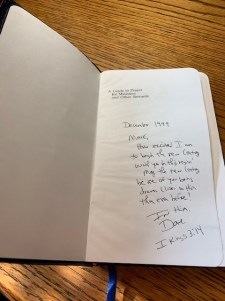

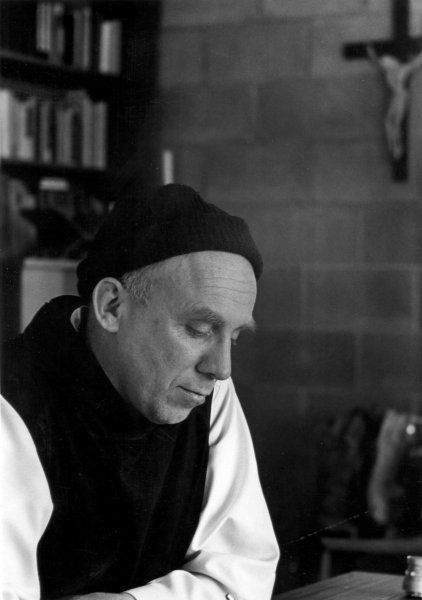
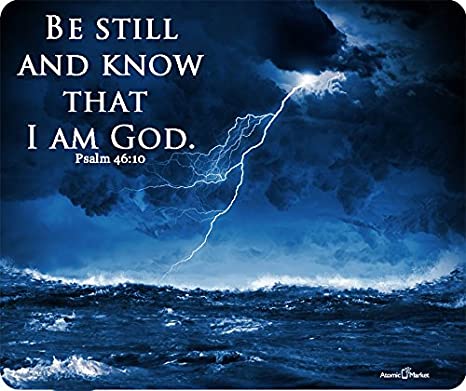
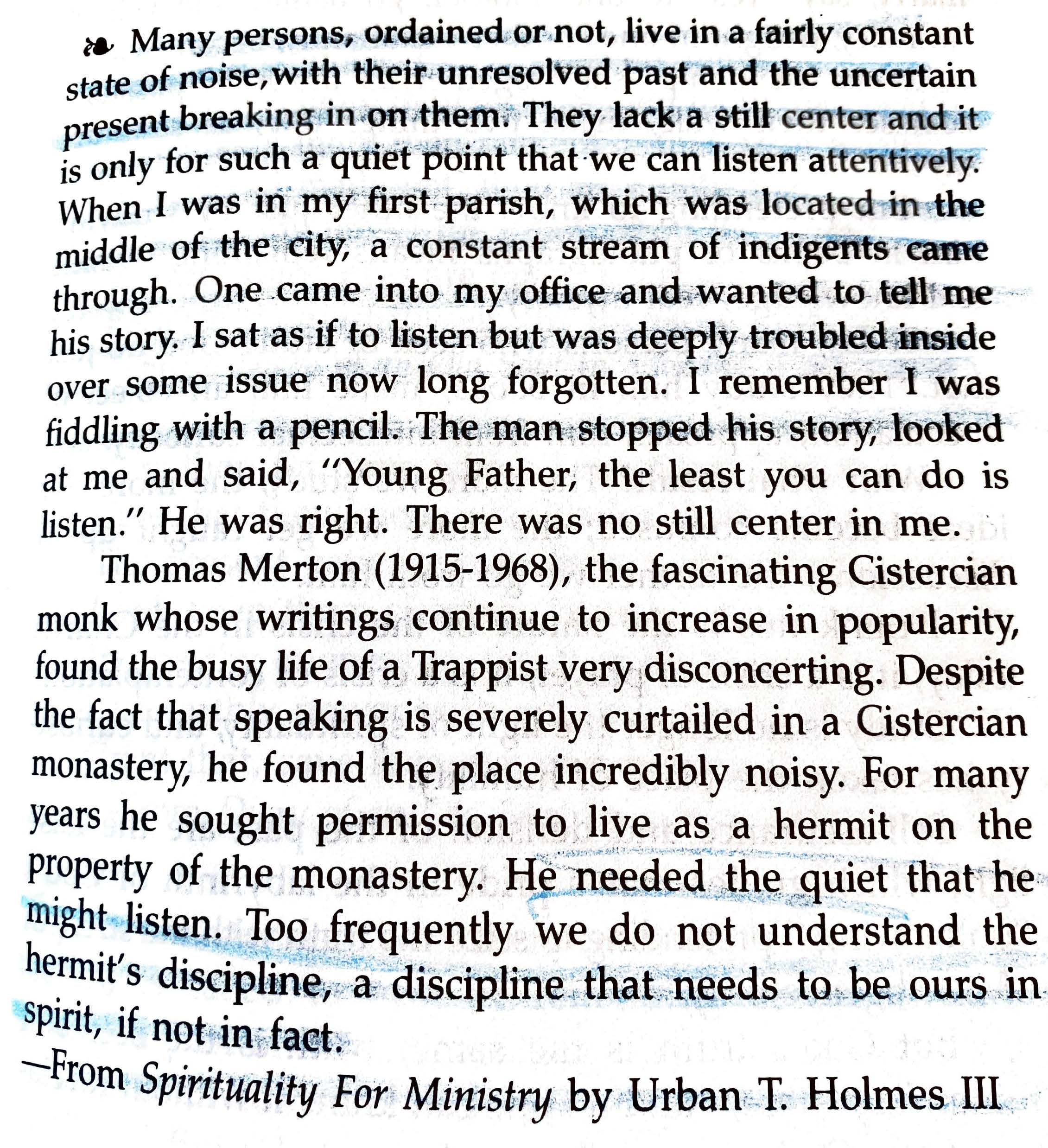

 Let’s pray.
 who are grieving. Lord, we pray for an end to this virus. We pray for those men and women who are working to heal the sick, for those who are caring for the sick, those who are risking their own health and lives – Lord – we lift them to you – asking that you protect them and bring an end to this virus. We pray for our leaders. We pray for those who are charged with making decisions for our country and our communities. We pray for employers who are faced with difficult decisions regarding their employees. We pray for the men and women of our community who have lost their jobs or will lose their jobs. Lord, bring an end to this virus and restore our community and our country.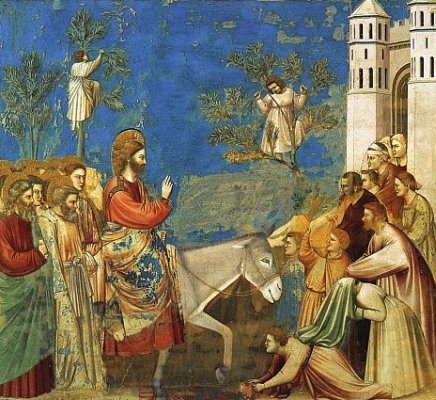


 lot of theologians to be the first hint at the Gospel: Genesis 3:14–15 [14] The LORD God said to the serpent, “Because you have done this, cursed are you above all livestock and above all beasts of the field; on your belly you shall go, and dust you shall eat all the days of your life. [15] I will put enmity between you and the woman, and between your offspring and her offspring; he shall bruise your head, and you shall bruise his heel.”
 film there is a snake slithering across the ground. Then all of a sudden, the head of the snake is crushed under the heel
 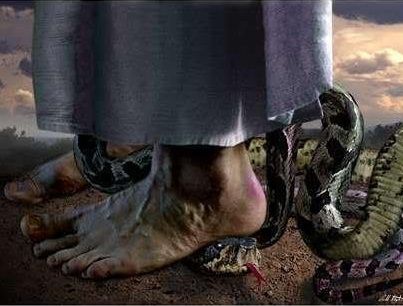 of Jesus. That scene in the movie is a nod to this text in the Bible. And each of the names that follow in Genesis and elsewhere – though they may seem like “throwaway lines” – they contain the names of the people that God used to form the lineage to fulfill this promise He made.
 the Palm branches. Don’t get me wrong, they are important. But you know, only the donkey is mentioned in all four. Luke doesn’t mention palm branches at all. But all four Gospels mention the donkey.
 come in and be like David – a warrior – or Moses – who was a negotiator – lawgiver. They were looking for the messiah to be like a king who would overthrow the Romans and help establish them as a power of their own. They were looking for the messiah to be one who established the temple and worship – all of those things.
 in telling the Bible story?
 mistaken about what this king – the messiah has come to conquer. You see this moment is a pivotal moment in human history and it connects back to Genesis 1-3.

 That donkey means that at that moment, Christ came into the world to bring Peace – shalom. The people were clamoring for a king that would simply conquer their oppressors. They really didn’t get that the picture was much, much larger.

 Like most people right now, I have a bit more time on my hands than I usually do. However, I find that the saying that’s been around for a long time has merit: nature abhors a vacuum. In other words, where there is a space, something will fill it. I have discovered that I have been able to fill my time sheltering at home with an unequal measure of work, projects, time-fillers, and time-wasters. But, to be honest, I don’t want to look back on this time and think – wow – I sure could have used that time differently.
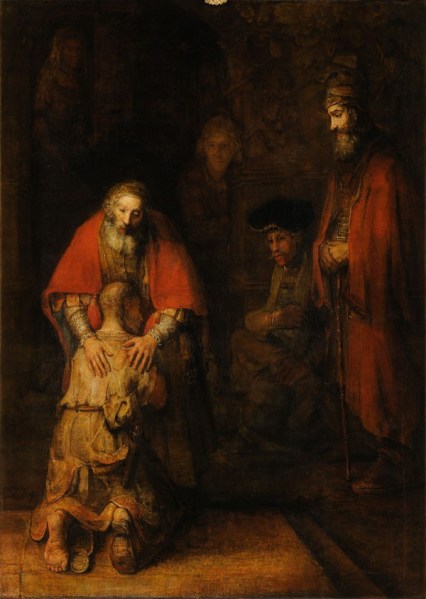 As you think about next week and the time that you may have on your hands, I hope you’ll take some of that time and join me in delving deeper into all that Jesus did for us. I believe with all my heart that if we can somehow focus our hearts and minds on Jesus, we will be better people. Because I know that if folks could just see Jesus for who He is – without all the baggage that so many people hang on him – they would beat down the doors to get to what Jesus has to offer.
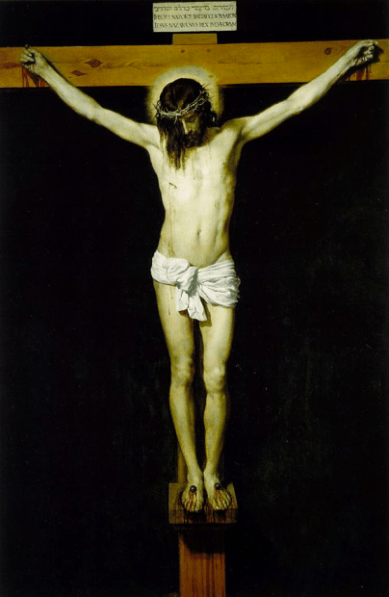 through one of the passion narratives again. You may want to spend time going through the final words of Jesus on the cross and either listen to or sing the hymns that accompany the text or use the prayer.
 Easter Sunday: Today is an awesome day! It is time to celebrate. It is time to give the Lord praise and thanks. Mark this day by reading over the texts of Christ’s resurrection. Sing. Praise the Lord! Christ is Risen. He is Risen Indeed! Matthew 28:1; Mark 16:2,9; Luke 24:1; John 20:1,19; 1 Corinthians 15.
 beautiful, spring day. Glorious. But Monday was also the day that TN got the order from Governor Lee as well as our city and county mayors to “shelter safe.” The VA governor gave the order to shelter at home as well – but it was more of a mandate. A lot of us knew or at least felt that order was very soon to be upon
  us. You’d have to be living under a rock (which may be a wise move) to be unaware of the rising concerns and rising numbers of cases associated with COVID-19. These are uncertain times indeed and they are times that raise not only anxiety levels but they raise questions. In fact, there are all sorts of articles floating around right now about how the church – how Christians – should respond.


 fact, there are several different words in both Hebrew and Greek (the original languages that the Bible was written in) that express joy and or rejoicing (which is usually an outward expression of being joyful). And there are a variety of reasons for joy and or rejoicing. People throughout the Bible are joyful because of God’s provisions, creation, marriage, children, and a whole host of reasons. But to be truthful, that’s what we’d expect – right?
 good. It is clearly a time of uncertainty. The Psalmist lays out his case to God about the wicked and all they are doing and then he starts to speak of ultimately how God will “not forsake his people” nor will God “abandon” them. Ultimately, the Psalmist says, that if God had not been the Psalmist’s help, he would have “lived in the land of silence.” It doesn’t take a seminary degree to know what that means. But then the Psalmist says, “[18] When I thought, “My foot slips,” your steadfast love, O LORD, held me up. [19] When the cares of my heart are many, your consolations cheer my soul.” To cheer one’s soul simply means to bring him joy. The consolation of what God has done and what he’s promised to do bring the psalmist joy.
 steadfast love endures forever!”(2-3). There is a lesson in that reminder that God’s love endures especially since the psalmist goes on to recount that in times of distress, he called on God and God heard his cry and delivered him (5-6). Then he recounts being “surrounded” by troubles – by enemies; they were like bees swarming but God heard him in his anguish and helped him (vs 10-13). Again, the circumstances that surrounded the psalmist hadn’t changed but his attitude did. In fact, in Psalm 118:25 he again cries out for God to save them.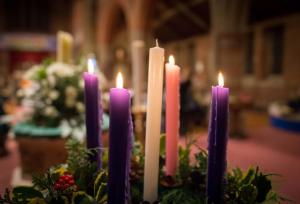
 coming with the same sort of anticipation that Christ will come again that the psalmist and wrote about. And it seems fitting that right now in our own time of uncertainty and just days before the start of Holy Week, that we turn to a text that is most often associated with Christmas / Advent – in order to discover how we can have joy during uncertain times.
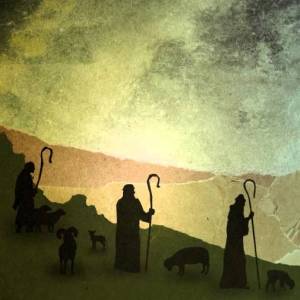 cloths and lying in a manger.” [13] And suddenly there was with the angel a multitude of the heavenly host praising God and saying, [14] ‘Glory to God in the highest, and on earth peace among those with whom he is pleased!’[15] When the angels went away from them into heaven, the shepherds said to one another, “Let us go over to Bethlehem and see this thing that has happened, which the Lord has made known to us.” [16] And they went with haste and found Mary and Joseph, and the baby lying in a manger. [17] And when they saw it, they made known the saying that had been told them concerning this child. [18] And all who heard it wondered at what the shepherds told them. [19] But Mary treasured up all these things, pondering them in her heart. [20] And the shepherds returned, glorifying and praising God for all they had heard and seen, as it had been told them” (Luke 2:8–21 ESV).
 in connection with uncertain times – with chaos – with trouble. And yet, the overwhelming lesson to be learned is that the circumstances did not give shape to the faithful. No, they were able to be joyful because their hope, their assurance, their lives – even in uncertain times – even when death was imminent – their joy was rooted in God’s love and promises made all the clearer through the person, word and work of Jesus.
 In fact, the Psalm that I read a few moments ago – Psalm 51 – is a Psalm in which David lets God know about something he’s done. And friends, it is not good – not at all. In fact, it is one of the worst stories in the Bible but it is also good in that it doesn’t gloss over the fact that David was – well – a mess.
 But anyway, for me one of the most powerful moments in the gospel accounts involves the reaction of two men who betrayed Jesus. First, there is Judas, who basically sold Jesus out for 30 pieces of silver. When Judas realizes what he’s done and the mess he’s made of things, he hung himself. It was pretty clear that Judas never really knew Jesus at all. That’s a shame, really.
 with Jesus. He didn’t let the fact that he was a mess keep him from allowing God to clean him up over a lifetime. And neither should we.
 “I BELIEVE in God the Father Almighty, Maker of heaven and earth, And in Jesus Christ


 In the Old Testament book of Deuteronomy God’s people are given instructions on how to live. There are instructions on how to live in a relationship with God, with neighbor, and with ourselves. And in Deuteronomy 4:9 we read this admonition: “Only take care, and keep your soul diligently, lest you forget the things that your eyes have seen, and lest they depart from your heart all the days of your life. Make them known to your children and your children’s children.”

 now and will always be an elementary student when it comes to prayer. In fact, I love C.S. Lewis’ advice to his friend, Sheldon Vanauken. Vanauken and Lewis met in Oxford and talked at length about the Christian faith. The two continued to correspond via letter for years afterward. At some point, Vanauken came to faith in Christ. In a letter to his friend, Lewis encouraged as new Christian to “be busy learning to pray.” That’s solid advice even for folks who have been Christians for years.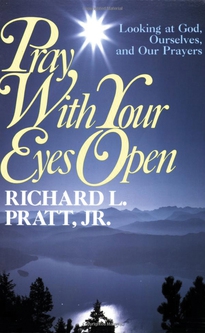
 bored with prayer largely because their perception of God is so narrow. It is no wonder that we lose interest in prayer when we severely limit our conception of God. By emphasizing one or two of God’s characteristics to the near exclusion of all the others, we unwittingly reduce Him to a two-dimensional, black-and-white picture.”
 Father – we pray now for our country and our community as we deal with this pandemic. It is cause for being anxious but we don’t want to be afflicted with anxiety. We want to remember all that you’ve done and promised to do. But we are human so help us to see you at work. Lord bring healing to our world. Lord help those who are ill and those who are caring for those who are sick. Prepare our health care workers. Lord be with us in tangible ways. Lord be with our leaders. Give them wisdom about what to do.
 right hand of God the Father Almighty; from thence he shall come to judge the quick and the dead. I believe in the Holy Ghost; the holy catholic Church; the communion of saints; the forgiveness of sins; the resurrection of the body; and the life everlasting. Amen.”


 Lord God, you who are the sources of all truth, wisdom, justice, and love, lead me through this time of worship and throughout this day of service to you. Help me constantly to rest my life upon the eternal foundations of your love and presence. Save \me from haste and confusion, from wrongful desire, and the net of evil. Through the inspiration of your Holy Spirit, enlighten, instruct, and guide me all day long. In the name of Jesus, Amen.
 [31] Jesus answered them, “Do you now believe? [32] Behold, the hour is coming, indeed it has come, when you will be scattered, each to his own home, and will leave me alone. Yet I am not alone, for the Father is with me. [33] I have said these things to you, that in me you may have peace. In the world you will have tribulation. But take heart; I have overcome the world.” (ESV)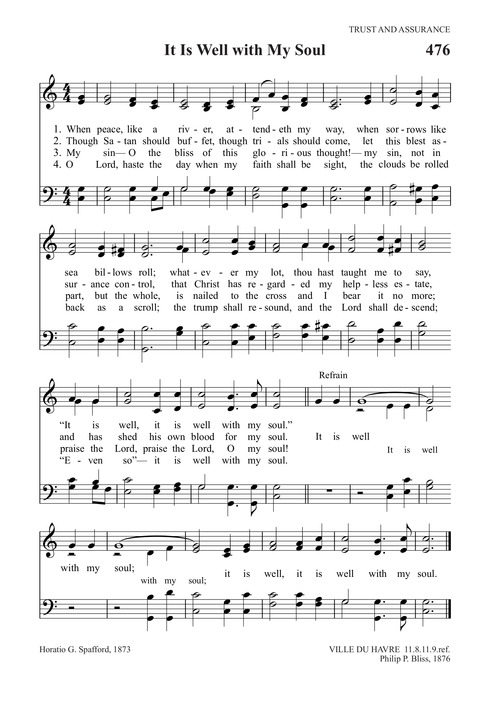
 the Upper Room Discourse – which is from John 13-17. It is called that because that is where it takes place. Jesus and his disciples are in a room together celebrating the Passover – and it is the same evening that Jesus is betrayed by Judas and handed over and ultimately crucified; none of which was a surprise to Jesus. If you read the gospels, you’ll get the sense quick that Jesus was fully aware of what was in store for Him.
 Bible called The Message. He translated John 16:33 like this: Jesus said, “I’ve told you all this so that trusting me, you will be
  unshakable and assured, deeply at peace. In this godless world you will continue to experience difficulties. But take heart! I’ve conquered the world.”
 But Lord, you aren’t surprised by troubles and you’ve told us you’d never leave us nor forsake us – even in the midst of our troubles. So Lord, like Elisha prayed, help us not be overwhelmed by the troubles we see, help us not to be afraid. Help us to know that “those who are with us are more than those who are against us.” And Lord, “please open our eyes that we may see you” at work in us. Lord be with those who are struggling because of this virus. There are lots of people who are ill and lots of people who are losing jobs and they are fearful. God, hear our prayer for them and for your people. Help us, Lord, to be the church that you’ve called us to be for such a time as this.
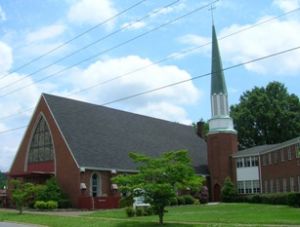
 to provide some encouragement and support for my friends and family. Today, I am posting a devotional which is a worship service – of sorts. It begins with a Call to Worship and carries on to a Benediction. I’ve included a hymn and a reflection on Psalm 91. My hope is that you can either share it with your family or simply use it in your personal devotions.
 Refrain: Then sings my soul, my Savior God, to thee: How great thou art! How great thou art! Then sings my soul, my Savior God, to thee: How great thou art! How great thou art!
 to the largest NCAA Football Game ever played. Our little neck of the woods close enough to the Speedway that we could hear the race cars and dragsters as they powered down the track, which one reason they call that valley – “Thunder Valley.”
 I have to say that our piece of that valley was a little slice of heaven to my friends and me. I was fortunate enough to grow up with a bunch of other boys. Those rolling hills were to us – mountains. And the creek that ran the length of the valley was to us a river. We felt safe there among the trees. The hillsides – those mountains – loomed large in our collective imagination and they were a playground for my friends and me. We spent hours running up and down those hills, ducking behind fallen trees. We even built – what we thought – were elaborate, impenetrable forts – just like the ones we saw in John Wayne westerns and TV shows like Daniel Boone, Gun Smoke. We’d get inside our fort and wait – we’d pop up from behind the “walls” and pretend our BB Guns were everything from imaginary Winchesters to bazookas to M-16s.
 when people still built nuclear shelters in their back-yards, and elementary schools practiced nuclear drills – which never made a lot of sense. We’d duck underneath our desks – as if that was somehow going to save us.
 every corner. And in Bristol, TN – there were all these stories that the Soviets had missiles aimed at us because of a plant called Raytheon.
 Gray). We stayed up there for what we thought were hours, but it was probably more like twenty minutes. We were there until my friend’s dad made the trek into the woods to tell him it was time to go get a haircut. We told him he couldn’t go – the Russians were coming – a plane had told us to “Head to the Mountains.”
 or another. Scores of people worldwide are dealing with this virus and you’d be hard-pressed to find someone that hasn’t been impacted by it. We are living in strange times – times of a clear and present danger – and during times like these – instinctively – we look for a refuge – a fortress.



 Christian what is it that you believe: “I BELIEVE in God the Father Almighty, Maker of heaven and earth, And in Jesus Christ his only Son our Lord; who was conceived by the Holy Ghost, born of the Virgin Mary, suffered under Pontius Pilate, was crucified, dead, and buried; he descended into hell; the third day he rose again from the dead; he ascended into heaven, and sitteth on the right hand of God the Father Almighty; from thence he shall come to judge the quick and the dead. I believe in the Holy Ghost; the holy catholic Church; the communion of saints; the forgiveness of sins; the resurrection of the body; and the life everlasting. Amen.”
 Father, we bow our hearts before you. We want to trust you with everything and your word tells us that we should cast all our cares before you. So Lord, we do so now. We cast all our cares before you. So, Lord, in your mercy, we ask that you hear our prayers – as we lift up folks all around us. Almighty God, in Christ you taught us to pray, and promised that we would receive all that we ask in his name. Hear now our prayers Lord –
 millions of people worldwide in a multitude of ways, not the least of which by raising anxiety levels. No one wants to be overly alarmed, but no one wants to be caught off guard or ill-prepared either. If grocery store aisles are any sort of social indicator, people are anxious. These are anxious times.
 Anxiety can keep a person from being able to think clearly or act rationally. But telling a person not to be anxious in anxious times doesn’t do any good. Instead, people need something to replace their anxieties. It seems like the Apostle Paul knew that, too.
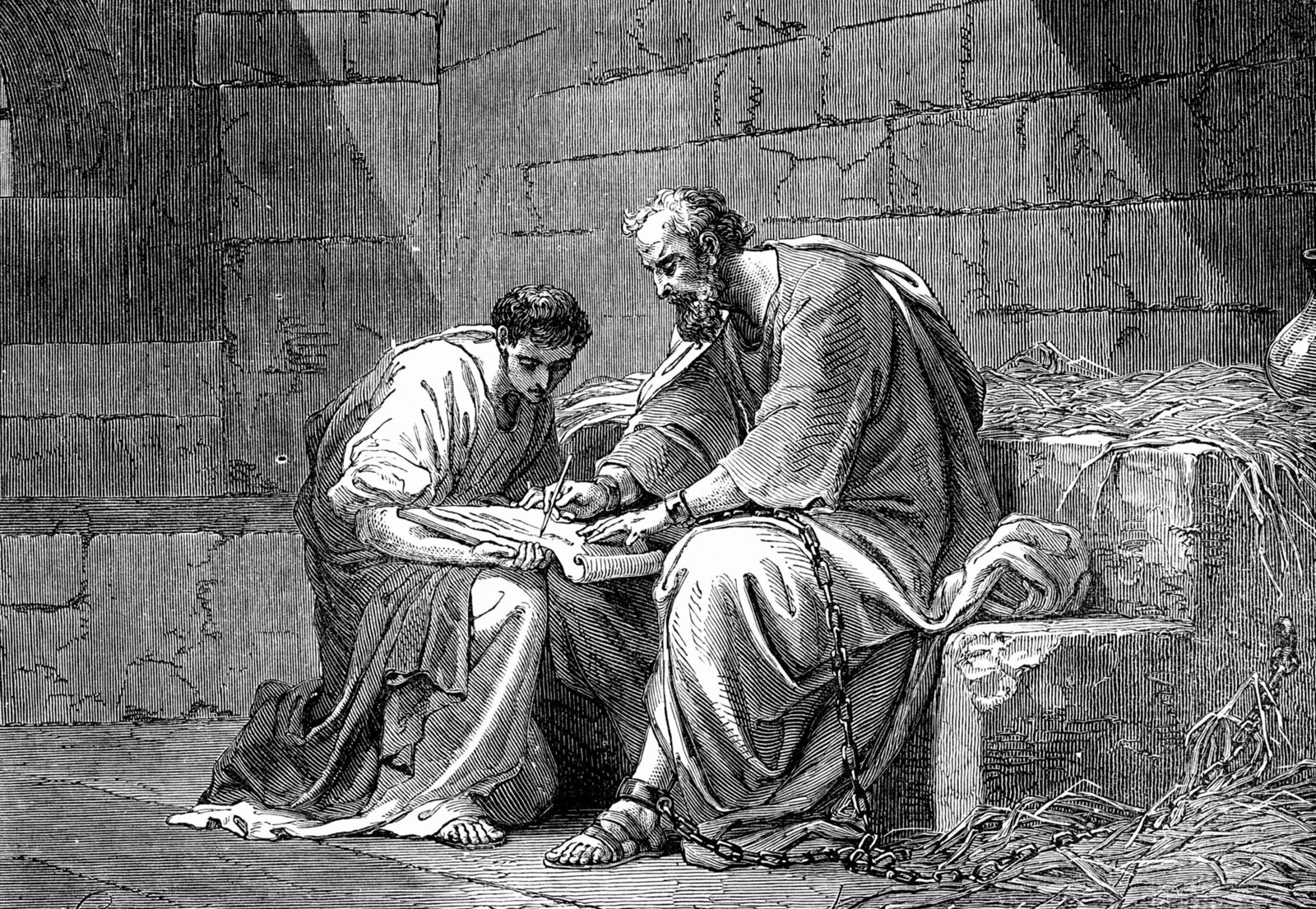 Philippi a letter. It seems they were deeply concerned for Paul because, well, he was in prison. They also had some issues of their own. So Paul wrote a letter to them that was far from what a typical letter from prison might be; Paul’s letter was all about the joy of following Christ – even during anxious times.
 meditating on God’s word and allowing it to frame every aspect of life. Lectio Divina is intended as a contemplative way of reading short passages of the Bible, slowly. It requires a person to slow down, read deeply, pray earnestly, meditate on the words of the Bible, and enjoy enough silence to be able to respond to God’s Spirit. It may help to think of it like sharing a meal with God the Father, God the Son, and God the Holy Spirit.
 back to the Lord. For instance, in Philippians 4:4, Paul encourages the Philippians to “Rejoice in the Lord always; again I say, Rejoice.” This text would allow a person to pray, “God I want to be able to rejoice in anxious times but it isn’t so easy. Help me to rejoice.” Or it may lead a person to worship – as they think of reasons to rejoice in the Lord. It may lead to praising God and rejoicing for the beauty of the day. It may lead to the singing of a hymn (“Praise to the Lord the Almighty the King of Creation”). In other words, turn the text into a prayer; use it as a liturgy that leads to confession, or worship, or petition. During this part of Lectio Divina, try to savor each word of the text and keep it central to your thinking and rest in it what it has to say.
 phone) throughout the day that brings the text back to mind –as a means of redeeming the day, redeeming the time, as Paul said.




 Mark A Hutton